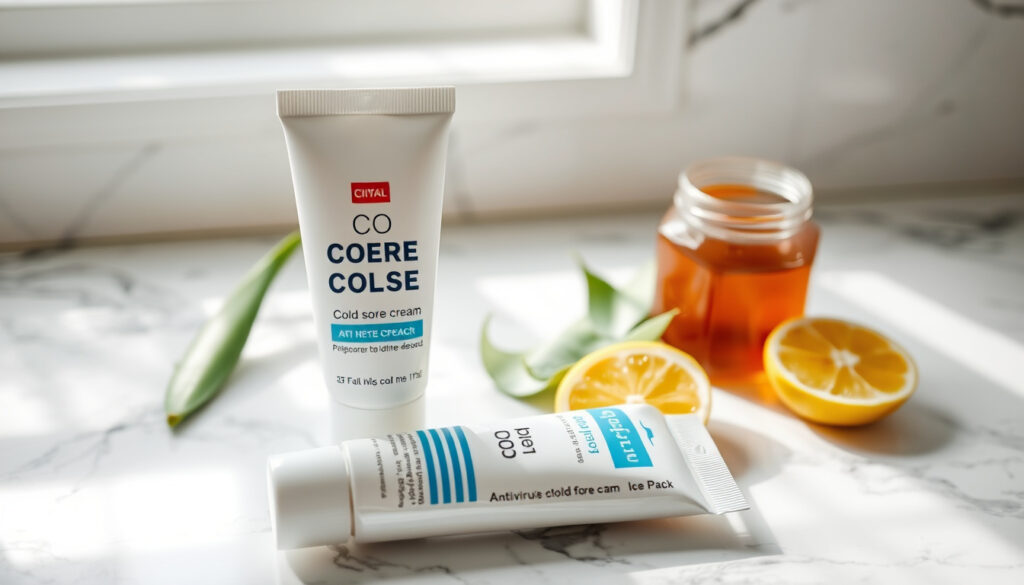
How to Get Rid of a Cold Sore – Fast Effective Treatments
Cold sores are a common viral infection affecting millions worldwide. Caused by the herpes simplex virus (HSV-1), these small, fluid-filled blisters typically appear on or around the lips. While they usually heal on their own within 7-10 days, understanding effective treatment options can significantly reduce discomfort and potentially shorten healing time. This guide examines proven remedies, timeline expectations, and prevention strategies based on current medical evidence.
The herpes simplex virus remains dormant in nerve cells after initial infection, making recurrent outbreaks possible throughout life. Various triggers including stress, sun exposure, and illness can activate the virus, leading to new cold sore formations. Early intervention at the first sign of symptoms offers the best chance for rapid recovery.
How Do You Get Rid of a Cold Sore Fast?
Speed in treatment matters significantly when addressing cold sores. The most effective approach combines early detection with appropriate medication. Starting treatment during the prodrome stage—the initial tingling or itching sensation—produces the best outcomes.
HSV-1 virus
7-10 days untreated
Tingling blister on lip
Antiviral within 24h
Key insights for fast recovery:
- Treatment initiated during the prodrome stage (tingling phase) works most effectively
- FDA-approved Abreva (docosanol) can reduce healing time when applied early
- Prescription antivirals like valacyclovir work best when taken within 24-48 hours of symptom onset
- Keeping the affected area clean and dry prevents secondary bacterial infection
- Avoiding touching or picking at cold sores prevents spreading and scarring
- Sun protection on lips during outbreaks reduces severity and duration
- No home remedy guarantees overnight healing—claims suggesting otherwise lack scientific support
| Fact | Details | Source |
|---|---|---|
| Virus Type | HSV-1 (herpes simplex virus type 1) | Medical |
| Healing Time (untreated) | 7-10 days standard; up to 2-4 weeks | Mayo Clinic, WebMD |
| Healing Time (treated) | 4-7 days with early antiviral use | Healthline, Mayo Clinic |
| Contagious Period | From tingle sensation until fully crusted | CDC |
| First Sign | Tingling/itching (prodrome phase) | Healthline |
| Best Treatment Window | Within 24-48 hours of first symptoms | Mayo Clinic |
What Are the Best Home Remedies for Cold Sores?
Home remedies offer symptom relief and may support healing, though evidence varies in strength. These approaches work best alongside medical treatments rather than as standalone solutions.
Does Ice Help Cold Sores?
Ice application numbs pain and reduces swelling, making it a popular first-aid measure. Users should wrap ice in a cloth to prevent skin damage and apply it several times daily for short intervals. While ice provides temporary symptomatic relief, it does not accelerate viral healing or eliminate the infection.
Other Natural Options
- Aloe vera gel: Cools irritation and demonstrates antiviral properties; apply directly to affected area
- Lemon balm extract: Shows antiviral activity and may reduce healing time when applied early
- Lysine supplements: This amino acid may inhibit HSV replication when taken as capsules or applied as cream
- Propolis: A bee product with preliminary antiviral evidence
- Manuka honey: Known antimicrobial properties that may support healing
- Petroleum jelly: Prevents cracking and soothes skin but does not treat the virus
No home remedy cures HSV infection or guarantees overnight healing. Claims of instant cures lack scientific support. Cold sores require time to run their course, typically lasting days regardless of treatment method used.
What Dries Out a Cold Sore?
Drying agents can help manage moisture during the weeping stage. Rubbing alcohol and hydrogen peroxide are sometimes used, though they may cause stinging. Witch hazel offers a gentler alternative with astringent properties. Maintaining dryness between applications of medicated creams supports the crusting phase.
What Over-the-Counter and Prescription Treatments Work Best?
Medical treatments fall into two categories: over-the-counter products available without prescription and prescription medications requiring doctor consultation.
Over-the-Counter Options
Abreva (docosanol) is the only FDA-approved OTC antiviral for cold sores. Clinical studies demonstrate it shortens healing time when applied at the first sign of symptoms. Application frequency is typically five times daily until the sore heals.
- Abreva (docosanol): FDA-approved, apply five times daily at first tingle; clinical studies show shortened healing time
- Pain relievers: Acetaminophen or ibuprofen address discomfort and fever
- Numbing creams: Products containing lidocaine reduce pain and itching
- Releev (benzalkonium chloride): Targets itching and discomfort
Prescription Treatments
Healthcare providers may prescribe stronger antiviral medications for frequent outbreaks or severe cases.
- Topical antivirals: Acyclovir (Zovirax) and penciclovir (Denavir) applied directly to lesions
- Oral antivirals: Acyclovir, valacyclovir (Valtrex), and famciclovir (Famvir) offer systemic treatment
- Combination approaches: Sometimes both topical and oral medications are prescribed together
For those managing property-related concerns, stress reduction becomes particularly important as stress is a common trigger for outbreaks.
How Long Does a Cold Sore Last and What Are the Stages?
Cold sores follow a predictable progression through five distinct stages. Understanding this timeline helps set realistic expectations for recovery.
Understanding the Timeline
Without treatment, cold sores typically resolve within 7-10 days in individuals with healthy immune function. Maximum duration without intervention reaches 2-4 weeks. Early treatment with antivirals can reduce this to 4-7 days.
When Is a Cold Sore Contagious?
The virus spreads most easily from the initial tingle sensation through the crusting phase. Risk decreases once a complete scab forms, though transmission remains possible until full healing occurs. Individuals should avoid intimate contact, sharing utensils, and lip products during this entire period.
When Should You See a Doctor for a Cold Sore?
Most cold sores heal without medical intervention, but certain circumstances warrant professional evaluation.
Consult a healthcare provider if: the first outbreak occurs and is severe; sores persist beyond two weeks; outbreaks happen six or more times annually; the infection spreads to eyes or genitals; or the immune system is compromised.
Can You Pop a Cold Sore?
Popping or picking at cold sores is strongly discouraged. This action introduces bacteria, increases scarring risk, and may prolong healing. The fluid inside blisters contains active virus particles that can spread infection to other body areas or other people. Allow blisters to rupture naturally or with gentle warm compress application.
How Can You Prevent Cold Sores from Recurring?
Prevention focuses on identifying and avoiding triggers while maintaining general immune health. The herpes simplex virus establishes lifelong infection, but outbreak frequency varies significantly between individuals.
Common Triggers to Avoid
- Excessive sun exposure without lip protection
- High-stress periods without adequate relaxation
- Illness and fatigue
- Hormonal fluctuations
- Extreme temperature changes
Prevention Strategies
Applying daily sunscreen specifically formulated for lips and face provides protection against UV-triggered outbreaks. Lysine supplements show some evidence for reducing recurrence frequency, though results vary between individuals. Stress management techniques including meditation and deep breathing exercises address one of the most common triggers.
Those searching for Property for Sale Kildare may find that relocating to different climates occasionally affects outbreak patterns, though individual responses vary considerably. For those interested in Property for Sale Kildare, understanding how relocating to different climates affects outbreak patterns can be helpful, and you can learn more about cold sores at $how much protein in one egg.
Cold Sore Progression Timeline
Understanding the expected timeline helps manage symptoms and gauge treatment effectiveness:
- Prodrome (Day 1): Tingling, itching, or burning sensation precedes visible blisters
- Blister formation (Days 2-3): Small fluid-filled blisters appear, often clustered
- Weeping/ulceration (Days 4-5): Blisters burst, forming painful open sores
- Crusting (Days 5-8): Scab forms over the wound as healing begins
- Complete healing (Day 10+): Scab falls off, skin returns to normal appearance
What Is Proven Versus What Remains Uncertain?
| Established Information | Areas of Uncertainty |
|---|---|
| HSV-1 causes cold sores | Optimal lysine dosage for prevention |
| Acyclovir accelerates healing | Effectiveness ranking of home remedies |
| Prodrome stage offers best treatment window | Long-term recurrence patterns |
| Sun exposure triggers outbreaks | Why some individuals never experience recurrence |
| Ice provides symptom relief but not cure | Role of diet in outbreak frequency |
| No cure exists for HSV infection | Personalized trigger identification methods |
Understanding Cold Sores: Background and Context
The herpes simplex virus type 1 infects approximately two-thirds of adults under 50 globally, according to World Health Organization data. Initial infection often occurs during childhood through casual contact with infected individuals. After the primary outbreak resolves, the virus travels to nerve ganglia where it remains dormant indefinitely.
Recurrence patterns vary substantially between individuals. Some experience frequent outbreaks while others may never have a second episode. Factors influencing recurrence include immune system strength, overall health status, and trigger exposure frequency.
Cold sores, while primarily associated with HSV-1, can occasionally result from HSV-2 infection through oral-genital contact. Regardless of virus type, treatment approaches remain similar.
Expert Sources and Medical Recommendations
“Antiviral medications work best when started within 48 hours of symptom onset. Patients with frequent recurrences may benefit from daily suppressive therapy prescribed by their healthcare provider.”
— Mayo Clinic cold sore treatment guidelines
“Keeping cold sores clean and dry, while avoiding touching them, prevents secondary infections and reduces transmission risk to others.”
— WebMD skin conditions resource
Summary and Next Steps
Cold sores, though common and generally harmless in healthy individuals, cause significant discomfort and social concern. Effective management combines early intervention, appropriate medication selection, and trigger avoidance. OTC treatments like Abreva provide accessible relief, while prescription antivirals offer stronger options for frequent or severe outbreaks.
Home remedies provide symptomatic support but should not replace medical treatments when outbreaks are frequent or severe. Understanding the predictable stages of cold sore development helps set realistic expectations and identifies the critical early treatment window.
Frequently Asked Questions
Does ice help cold sores?
Ice provides temporary pain relief and reduces swelling but does not accelerate healing or eliminate the virus. Apply wrapped in cloth for short intervals multiple times daily.
Can you pop a cold sore?
No. Popping cold sores introduces bacteria, increases scarring risk, and can spread infection. Allow blisters to rupture naturally or seek appropriate treatment.
What ointment is good for cold sores?
Abreva (docosanol) is the only FDA-approved OTC antiviral ointment. Prescription options include acyclovir (Zovirax) and penciclovir (Denavir).
How long is a cold sore contagious?
Cold sores remain contagious from the initial tingle sensation until complete healing with scab falling off. Risk is lowest after scab formation but not zero until full resolution.
Does toothpaste get rid of cold sores?
Toothpaste is a persistent myth. No scientific evidence supports toothpaste as an effective cold sore treatment. Some formulations may even irritate the skin.
What triggers cold sore outbreaks?
Common triggers include stress, sun exposure, illness, fatigue, hormonal changes, and extreme temperatures. Identifying personal triggers helps with prevention.
Can cold sores be cured completely?
No cure exists for HSV infection. Treatments manage symptoms and may shorten outbreak duration, but the virus remains dormant in nerve cells for life.
Where else can cold sores appear?
While lips are most common, cold sores can appear on chin, cheeks, nostrils, and inside the mouth or nose. Occasional cases involve the eyes, requiring immediate medical attention.
More related posts
 Arsenal F.C. vs FC Kairat Almaty Timeline: H2H History & Stats
 Munster Hurling Championship 2025 Fixtures: Schedule & Results
 GAA on TV This Weekend – Full Schedule, Channels and Streams
 Man Utd vs Liverpool – Preview, Predictions and Team News
 The Iron Claw Cast Guide: Von Erich Brothers & True Story
 Best Apps for Self Improvement 2026: Tested 30 Days
 Best Rooftop Bars Near Me: Top Dublin Rooftop Bars & Views (2026)
 England v Spain Women – Euro 2025 Final Result and Recap
