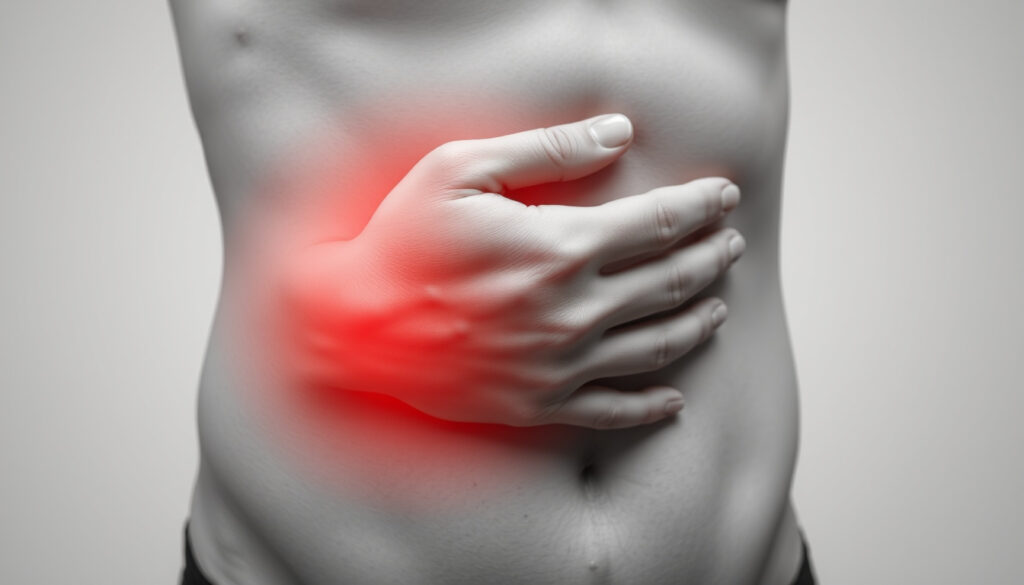
What Does Indigestion Feel Like? Symptoms & Relief
You finish dinner and that familiar burning sensation creeps into your chest. It’s easy to brush off as indigestion — but how can you be sure it’s not your heart? This article walks through the common sensations, the subtle signs that separate a simple upset stomach from a medical emergency, and what you can do to feel better fast.
People affected annually (U.S.): 1 in 4 adults ·
Common symptom: Burning pain in upper abdomen ·
Typical duration: Hours to a few days ·
Main causes: Overeating, spicy foods, stress
Quick snapshot
- Indigestion causes burning pain in the upper abdomen (Mayo Clinic (leading U.S. medical center))
- Heartburn feels like burning in the chest, often with a sour taste (NHS (U.K. health authority))
- Antacids relieve typical indigestion and heartburn (NHS)
- Exact cause of indigestion varies per individual (Mayo Clinic)
- Link between indigestion and chronic diseases not fully understood (Mayo Clinic)
- Indigestion usually lasts hours to a day (Mayo Clinic)
- Heart attack pain does not improve with antacids (Scripps Health (California health system))
- If symptoms persist >2 weeks, see a doctor (Mayo Clinic)
- Red flags: shortness of breath, radiating pain, sweating — seek emergency care (Mayo Clinic)
Six key facts about indigestion, one pattern: most symptoms are manageable at home but require vigilance for warning signs.
| Fact | Details |
|---|---|
| Common triggers | Spicy foods, alcohol, stress (Mayo Clinic) |
| Main treatment | Over-the-counter antacids and lifestyle changes (NHS) |
| Typical duration | Hours to a few days (Mayo Clinic) |
| Key symptom | Burning pain in upper abdomen (Mayo Clinic) |
| Worsened by | Lying down, bending over after meals (NHS) |
| Emergency red flag | Chest pain with sweating, shortness of breath, radiating pain (Mayo Clinic) |
What does indigestion feel like?
The sensation varies from person to person, but most people describe a mix of discomfort, burning, and fullness in the upper belly.
Common sensations: burning, fullness, bloating
- Burning pain or heat in the upper abdomen (Mayo Clinic (leading U.S. medical center))
- Feeling full too quickly during a meal (Mayo Clinic)
- Uncomfortable fullness after eating, bloating, and burping (Mayo Clinic)
- Nausea and sometimes vomiting (Mayo Clinic)
Location of discomfort: chest, throat, abdomen
- Heartburn: a burning sensation in the middle of the chest, often moving up from the upper abdomen (Mayo Clinic News Network)
- Acid reflux: may cause an unpleasant sour taste in the mouth (NHS (U.K. health authority))
- Indigestion itself is centered in the upper abdomen, but can radiate to the chest and throat when acid is involved (NHS)
The overlapping sensation in the chest is what often sends people to the emergency room fearing a heart attack — especially when they mistake the location for “heart pain.”
The pattern is clear: indigestion signals via burning and fullness, not the pressure or squeezing that defines cardiac distress.
How do you tell if you have indigestion?
Indigestion is a collection of symptoms rather than a single condition. Recognizing the pattern helps you decide whether to treat it at home or seek medical advice.
7 common signs of indigestion
- Burning pain in the upper abdomen (Mayo Clinic)
- Heartburn (burning in the chest) (NHS)
- Bloating and burping (Mayo Clinic)
- Nausea or vomiting (Mayo Clinic)
- Feeling full quickly when eating (Mayo Clinic)
- Uncomfortable fullness after a meal (Mayo Clinic)
- Belching (Mayo Clinic)
When to see a doctor
- Symptoms that last more than 2 weeks warrant a medical consultation (Mayo Clinic)
- If you experience unintended weight loss, blood in stool, or severe vomiting, see a doctor promptly (Mayo Clinic)
Self-assessment checklist
- Does the pain come on shortly after eating? → likely indigestion
- Is the pain relieved by antacids? → likely indigestion or heartburn (Mayo Clinic News Network)
- Do you have a sour taste in your mouth? → acid reflux (NHS)
- Is the pain accompanied by shortness of breath, sweating, or pain radiating to jaw/arm? → seek emergency care (Mayo Clinic)
What can be mistaken for indigestion?
The most dangerous impostor is a heart attack. The symptoms overlap so closely that even paramedics rely on ECG readings to distinguish them.
Four key differences, one table:
| Symptom | Indigestion / Heartburn | Heart Attack |
|---|---|---|
| Pain quality | Burning or gnawing in upper abdomen/chest (NHS) | Pressure, tightness, squeezing, or aching (Mayo Clinic) |
| Location | Upper abdomen, middle chest, may move up to throat (Mayo Clinic News Network) | Chest that may spread to shoulder, arm, back, neck, jaw, teeth, or upper belly (Mayo Clinic) |
| Duration | May come and go; rarely lasts more than a few hours (Mayo Clinic) | Pain typically lasts longer, does not stop (Scripps Health) |
| Response to antacids | Usually improves within minutes (Mayo Clinic News Network) | No improvement (Scripps Health) |
The catch: these four differences are guidelines, not guarantees — a heart attack can present with burning pain that improves briefly with antacids, especially in women.
Other conditions that mimic indigestion
- Gastritis (inflammation of the stomach lining) causes similar upper abdominal pain and nausea (Mayo Clinic)
- Peptic ulcers produce a gnawing or burning pain that improves when eating — opposite of typical indigestion (Mayo Clinic)
- Gallbladder disease often presents as sharp pain in the upper right abdomen after fatty meals (NHS (U.K. health authority))
A heart attack can feel exactly like indigestion — especially in women, who are more likely than men to describe “indigestion-like” symptoms as their only warning. The British Heart Foundation notes the pain can feel like heaviness or a burning sensation similar to indigestion (British Heart Foundation (U.K. heart charity)).
How to cure indigestion fast?
Most cases respond to a combination of home remedies and over-the-counter options. The key is acting quickly and avoiding known triggers.
Home remedies
- Drink water or ginger tea to soothe the stomach (NHS)
- Avoid lying down for at least 3 hours after eating (NHS Shropshire, Telford and Wrekin (local NHS trust))
- Prop the head and shoulders up in bed to reduce nighttime symptoms (NHS Shropshire, Telford and Wrekin)
- Cut down on tea, coffee, cola, or alcohol (NHS Shropshire, Telford and Wrekin)
Over-the-counter medications
- Antacids (e.g., Tums, Pepto-Bismol) provide quick relief when taken with food or soon after eating (NHS)
- Alginates form a protective barrier over the stomach contents, reducing reflux (NHS)
- If symptoms persist despite occasional use, consult a doctor before taking daily medications (Mayo Clinic)
Lifestyle changes for prevention
- Eat smaller, more frequent meals rather than large portions (NHS)
- Avoid trigger foods: spicy, fatty, fried foods, chocolate, mint, and acidic items like tomatoes (UCSF Health (academic medical center))
- Maintain a healthy weight and avoid smoking (NHS)
For someone with occasional indigestion, a 10-minute walk after eating and a glass of water may be all it takes. Chronic sufferers need a systematic trigger-avoidance plan — the payoff is fewer doctor visits and better sleep.
How long does indigestion last?
Duration gives another clue to the cause. Knowing when to stop waiting and start worrying can prevent both unnecessary worry and dangerous delay.
Typical duration: hours to a few days
Most indigestion resolves on its own within 24 hours, especially if triggered by a single large or spicy meal (Mayo Clinic). Heartburn from acid reflux often clears in a few hours, especially after antacids.
Chronic indigestion: when to worry
- Symptoms that persist for more than 2 weeks despite lifestyle changes merit a doctor visit (Mayo Clinic)
- Chronic indigestion may be a sign of gastritis, an ulcer, or even H. pylori infection
Indigestion for 3 days in a row: what to do
If symptoms continue for three straight days, it’s time to reassess. Try eliminating all trigger foods, stay upright after meals, and take antacids as directed. If no improvement by day four, consult your doctor — especially if you also have unintentional weight loss or black stools (Mayo Clinic).
What we know and what remains unclear
Confirmed facts
- Indigestion causes burning pain in the upper abdomen (Mayo Clinic)
- Overeating and spicy foods are common triggers (Mayo Clinic)
- Antacids relieve symptoms (NHS)
- Heart attack can mimic indigestion with chest discomfort (Mayo Clinic)
What’s unclear
- Exact cause of indigestion varies per individual (Mayo Clinic)
- Link between chronic indigestion and long-term diseases is not fully understood (Mayo Clinic)
Indigestion is a feeling of pain or discomfort in the upper abdomen.
— Cleveland Clinic gastroenterologist (cited in Cleveland Clinic (U.S. academic medical center))
Indigestion is discomfort or pain in the belly, often after eating.
— Mayo Clinic (leading U.S. medical center)
The medical community agrees that the overlap between indigestion and cardiac symptoms demands a careful history. For anyone with chest discomfort, the choice is clear: learn the pattern of your own symptoms, and never hesitate to seek emergency care when the warning signs align.
mayoclinic.org, patient.info, mayoclinic.org, nhs.uk, uhsussex.nhs.uk, health.ucdavis.edu
It is crucial to distinguish between indigestion and a heart attack, so understanding heart attack symptoms mistaken for indigestion can help you act quickly.
Frequently asked questions
Can stress cause indigestion?
Yes. Stress can increase stomach acid production and affect digestion. The exact link varies, but many people report worsened symptoms during periods of high stress (Mayo Clinic).
What is the difference between indigestion and heartburn?
Indigestion (dyspepsia) refers to discomfort in the upper abdomen, while heartburn is a specific burning sensation in the chest caused by acid reflux. They often occur together (NHS).
Is it safe to drink milk for indigestion?
Milk can temporarily soothe symptoms, but the fat content may actually trigger more acid production later. For most people, water or ginger tea is a better choice (UCSF Health).
Can indigestion cause back pain?
Sometimes. Pain from severe indigestion can radiate to the back, but this is uncommon. If back pain accompanies chest discomfort and sweating, it may signal a heart attack or pancreatitis (Mayo Clinic).
How can I prevent indigestion?
Eat smaller meals, avoid trigger foods (spicy, fatty, acidic), don’t lie down after eating, maintain a healthy weight, and reduce stress (NHS).
What foods should I avoid with indigestion?
Common triggers include spicy dishes, fried foods, chocolate, mint, tomatoes, citrus, coffee, alcohol, and carbonated drinks (UCSF Health).
More related posts
 How to Remove Sauce Stains from Clothes and Surfaces
 Children’s Allowance Budget 2026 – Recommended Amounts by Age
 Angel Iris Murphy Brown: Biography, Dad Eddie Murphy, Transition
 How Old Was Priscilla When She Married Elvis? Age & Timeline
 Watch Movie Free Online: Complete Guide to Free Streaming 2025
 American Style Fridge Freezers: Worth It? Pros & Cons
 School Calendar 2025/26 Ireland – Term Dates & Holidays
 Blue Lagoon Iceland Busy Times: When to Go and Avoid Crowds
