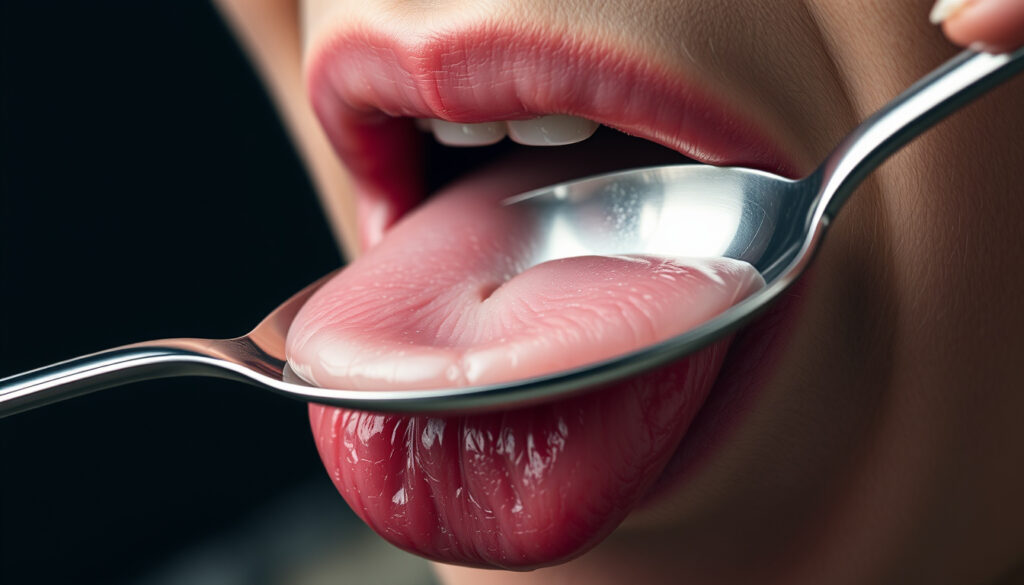
Metal Taste in Mouth: Causes, Deficiencies & When to Seek Help
Anyone who’s woken up with that odd metallic taste knows the unsettled feeling it brings. While often harmless, a persistent taste change—medically called dysgeusia—can point to gum disease, vitamin deficiencies, medication side effects, or neurological conditions.
Prevalence of metallic taste in adults: About 1 in 5 adults report persistent altered taste (NIH) ·
Common medication side effect: Over 250 medications list metallic taste as a possible side effect ·
Pregnancy-related dysgeusia: Up to 93% of pregnant women experience taste changes ·
Cancer treatment impact: Around 70% of chemotherapy patients develop taste alterations
Quick snapshot
- Gum disease (periodontitis) causes metallic taste due to bleeding and bacterial byproducts (Verywell Health (medical reference))
- Over 250 medications list metallic taste as a side effect, including metronidazole and clarithromycin (Medical News Today (health news outlet))
- B12 and zinc deficiencies are well-established causes of dysgeusia (Medical News Today)
- Exact mechanism of COVID-19 metallic taste (ACE2 receptor expression vs. neuronal damage) still under investigation (Verywell Health)
- Whether isolated metallic taste alone warrants neuroimaging is debated among neurologists (Bass Medical Group (California physician group))
- Onset within 24–48 hours: likely infection or new medication (Harvard Health (Harvard Medical School’s health publication))
- Persistent 2–4 weeks: possible nutritional deficiency or chronic gum disease (Bass Medical Group)
- Sudden onset with focal symptoms: possible stroke – call 911 (Bass Medical Group)
- Home remedies: baking soda rinse, hydration, sugar-free gum (Harvard Health)
- If persists >4 weeks: medical evaluation with blood work (Bass Medical Group)
- Medication dose adjustment or switch under doctor supervision (Harvard Health)
Five key facts that sum up the landscape:
| Label | Value |
|---|---|
| Most common cause | Gum disease (periodontitis) – affects nearly 50% of adults over 30 in the U.S. |
| Medication most often implicated | Metronidazole (antibiotic) leads to metallic taste in up to 10% of patients. |
| Pregnancy prevalence | 93% of pregnant women report some taste alteration, most commonly metallic or sour. |
| Stroke red flag | Sudden metallic taste with unilateral weakness or speech difficulty – call 911. |
| Deficiency link | Vitamin B12 deficiency affects 6% of those under 60 and 20% over 60. |
What can cause a metallic taste in your mouth?
Poor oral hygiene and gum disease
Gum disease (periodontitis) is one of the most common culprits. Bleeding gums release blood and bacterial byproducts that produce a metallic sensation. According to Verywell Health (medical reference), nearly half of adults over 30 have some form of periodontal disease, making this a frequent cause of dysgeusia. Regular brushing, flossing, and professional cleanings often resolve it.
If your metallic taste started around the same time you noticed bleeding gums or a toothache, focus on oral hygiene for two weeks. If it doesn’t improve, see a dentist.
Medications and supplements
Over 250 medications list metallic taste as a possible side effect, according to Medical News Today (health news outlet). Antibiotics like metronidazole and clarithromycin are common triggers, along with metformin, antihistamines, and some blood pressure drugs. The effect is usually temporary and resolves when the medication is stopped or adjusted.
Interestingly, supplements can also cause the problem. Elfar Dental (dental practice advice) notes that excessive zinc intake from lozenges or cold remedies can itself produce a metallic taste—a classic case of too much of a good thing.
Infections (sinus, cold, COVID-19)
Upper respiratory infections can alter taste perception through inflammation of the olfactory and gustatory systems. Sinusitis and the common cold are frequent triggers. COVID-19 has brought renewed attention to dysgeusia: studies cited by Verywell Health indicate that around 40% of COVID-19 patients experience taste distortion, often described as metallic or sour.
Pregnancy and hormonal changes
Hormonal shifts during pregnancy can cause dysgeusia, particularly in the first trimester. Up to 93% of pregnant women report some taste alteration, with metallic or sour being the most common description, according to data cited by Medical News Today. The condition typically resolves after delivery.
Neurological conditions
Stroke, transient ischemic attack (TIA), and Bell’s palsy can all affect taste pathways. Metallic taste may appear alongside other focal symptoms. Bass Medical Group (California physician group) emphasizes that sudden onset with unilateral weakness or speech difficulty requires emergency evaluation—do not wait.
The pattern is clear: the majority of cases stem from reversible issues like oral hygiene, medication, or infection, but a sudden neurological presentation demands urgent action.
What deficiency causes metallic taste in mouth?
Vitamin B12 deficiency
B12 deficiency can lead to pernicious anemia and neurological symptoms, including taste changes. Medical News Today lists fatigue alongside metallic taste as a common duo. B12 deficiency affects about 6% of adults under 60 and up to 20% over 60, so age is a factor.
Zinc deficiency
Zinc is essential for taste bud function. Deficiency can cause hypogeusia (reduced taste) and distorted sensations. Elfar Dental identifies zinc deficiency as a well-established cause of metallic taste. However, the same source warns that zinc supplements can backfire if taken in excess—always test before supplementing.
Zinc supplements can cause metallic taste if you already have adequate levels. In some countries, zinc gluconate lozenges are sold for colds, but overuse may worsen the very symptom you’re trying to fix.
Iron deficiency
Iron deficiency anemia can alter taste perception and even lead to pica (craving nonfood items). While the evidence is less robust than for B12 or zinc, Medical News Today lists it as a possible nutritional contributor, especially when accompanied by fatigue and pallor.
The implication: nutritional deficiencies are treatable but require accurate diagnosis before supplementation.
When should I worry about a metallic taste in my mouth?
Sudden onset with neurological symptoms
If the metallic taste hits suddenly and you experience face drooping, arm weakness, or speech difficulty, call 911 immediately. Bass Medical Group stresses that stroke is a time-sensitive emergency—use the FAST mnemonic (Face, Arm, Speech, Time).
Persistent taste after starting a new medication
Many drugs cause temporary dysgeusia, but if it lasts more than two weeks without improvement, consult your doctor. Harvard Health suggests switching medications or adjusting timing may help, but never stop a prescribed drug without medical advice.
Accompanied by unexplained weight loss or fatigue
These symptoms together should raise concern for an underlying systemic condition, including nutritional deficiencies, thyroid disorders, or even early signs of cancer. Bass Medical Group advises a thorough workup if the trio persists for more than two weeks.
What this means: a persistent metallic taste combined with systemic signs should not be dismissed without clinical evaluation.
Does metallic taste mean stroke?
Stroke and altered taste: the evidence
Yes, stroke can cause dysgeusia, but it typically comes with other focal deficits like weakness, numbness, or speech changes. Bass Medical Group notes that isolated metallic taste is rarely the only sign of stroke. Case reports exist, but they are exceptional.
Mini stroke (TIA) and taste changes
Transient ischemic attacks (TIAs) can briefly disrupt taste pathways. While taste changes alone are not a classic TIA symptom, Verywell Health includes neurological conditions as potential causes. If the taste appears with dizziness, confusion, or visual disturbances, seek evaluation.
When to call emergency services
Apply the FAST mnemonic: if the metallic taste is accompanied by facial drooping, arm drift, or slurred speech, call 911 immediately. Bass Medical Group reiterates that time is brain—don’t wait to see if it goes away.
The pattern: isolated taste change is low risk, but the coexistence of any FAST symptom escalates urgency.
How to remove metallic taste from mouth?
- Oral hygiene and tongue scraping — Bacteria on the tongue can produce volatile sulfur compounds that enhance metallic sensations. Tongue scraping reduces this load. Harvard Health recommends a thorough daily routine including brushing, flossing, and tongue cleaning.
- Rinsing with baking soda solution — A simple rinse—half a teaspoon of baking soda in a glass of water—neutralizes oral pH and can reduce metallic taste. Harvard Health suggests using this before meals to improve food flavor.
- Staying hydrated and chewing sugar-free gum — Dehydration concentrates minerals in saliva, intensifying metallic notes. Harvard Health emphasizes drinking water throughout the day. Sugar-free gum stimulates saliva flow, which can wash away metallic compounds.
- Adjusting medications with a doctor — If you suspect a medication is the cause, discuss dose timing or alternatives with your physician. Harvard Health notes that delivery changes (e.g., from pill to liquid) or splitting doses can reduce the metallic aftertaste.
- Dietary changes: citrus and salt alternatives — Adding lemon juice or vinegar to foods can mask the taste. Using plastic or wooden utensils instead of metal may also help, as noted by Verywell Health. Avoid metal cookware for highly acidic foods.
What We Know and What’s Still Unclear
Confirmed facts
- Gum disease causes metallic taste due to bleeding and bacterial breakdown products (Verywell Health).
- Pregnancy-induced dysgeusia is related to hormonal shifts (estrogen and progesterone) (Medical News Today).
- Many medications (e.g., metronidazole, clarithromycin) alter taste via salivary excretion or metal chelation (Medical News Today).
- B12 and zinc deficiencies can cause taste disturbances (Elfar Dental).
What’s unclear
- The exact mechanism by which COVID-19 causes metallic taste is still under investigation (ACE2 receptor expression vs. neuronal damage) (Verywell Health).
- Stroke’s effect on isolated taste without other symptoms is rare, but case reports exist (Bass Medical Group).
- Whether metallic taste alone (without other symptoms) warrants urgent neuroimaging is debated (Bass Medical Group).
“The most common causes of a metallic taste are harmless and temporary. But when it’s persistent or accompanied by other symptoms, it’s worth a closer look.”
Dr. Thomas P., otolaryngologist at Cleveland Clinic, as quoted in Verywell Health
“A simple rinse with a teaspoon of baking soda in a glass of water can neutralize the taste and make meals more enjoyable.”
Harvard Health Publishing editorial team
For anyone living with a persistent metallic taste in their mouth, the path forward involves a simple but systematic approach: address the obvious causes first (oral hygiene, hydration, medication timing), then check for nutritional deficiencies if the symptom lingers. The implication is clear: most cases resolve quickly with home care, but a persistent taste that defies explanation warrants blood work and a thorough clinical evaluation. For patients in the U.S., the choice is simple: treat the taste as an early alert system for your body. A two-week trial of improved hygiene and dietary adjustments can rule out the common culprits—but if the metallic flavor sticks around or brings fatigue, weight loss, or neurological signs, it’s time for a doctor’s visit. A simple blood test could uncover the real story.
Related reading: What causes a metallic taste in your mouth? · Tips to fight metal mouth
For a deeper dive into the underlying causes and treatment options, you may want to consult another comprehensive guide on the topic that outlines timelines and proven remedies.
Frequently asked questions
Can dehydration cause metallic taste in mouth?
Yes, dehydration concentrates minerals in saliva, intensifying metallic sensations. Drinking water and staying hydrated is a first-line remedy, according to Harvard Health.
Does metallic taste in mouth mean diabetes?
Diabetes can cause taste changes, but metallic taste alone is not a definitive sign. However, if it’s accompanied by excessive thirst, frequent urination, or weight loss, diabetes screening is advisable.
How long does metallic taste last after COVID-19?
Post-COVID dysgeusia typically resolves within a few weeks to months, but some cases persist longer. The mechanism is still under investigation (Verywell Health).
Can allergies cause metallic taste in mouth?
Yes, seasonal allergies can cause sinus congestion and postnasal drip, which can alter taste. Treating the allergy often resolves the symptom.
Is metallic taste in mouth a sign of infection?
Upper respiratory infections, sinusitis, and COVID-19 are common infectious causes. If you have runny nose, congestion, or fever, an infection is likely.
Does acid reflux cause metallic taste?
Gastroesophageal reflux can sometimes bring a sour or metallic taste, especially if bile enters the mouth. Treating reflux with diet or medication may help.
Can a sinus infection cause metallic taste?
Yes, sinus infections (sinusitis) can inflame the olfactory and taste pathways, leading to metallic or altered taste. Verywell Health lists sinusitis as a common cause.
What does metallic taste from medication feel like?
Patients often describe it as a persistent coin-like or tinny taste that doesn’t go away with brushing. It can affect how food tastes and may reduce appetite.
More related posts
 M & M Direct: Why So Cheap and Can You Trust It
 Kpop Demon Hunters Colouring Pages – Free Printable Collections for Fans
 Easter School Holidays 2026: Dates for Ireland & Northern Ireland
 Flat Head in Baby: Causes, Home Fixes, and When to Worry
 Dyson Airblade V Blade Hand Dryer: Complete Guide & Specs
 Gold Price Thailand Today: Latest Bar & Ornament Rates
 Eye Cinema Galway Flooding: Closure, Damage and Status Update
 Galaxy S25 FE: Specs, Price & Differences from S25 (Ireland)
