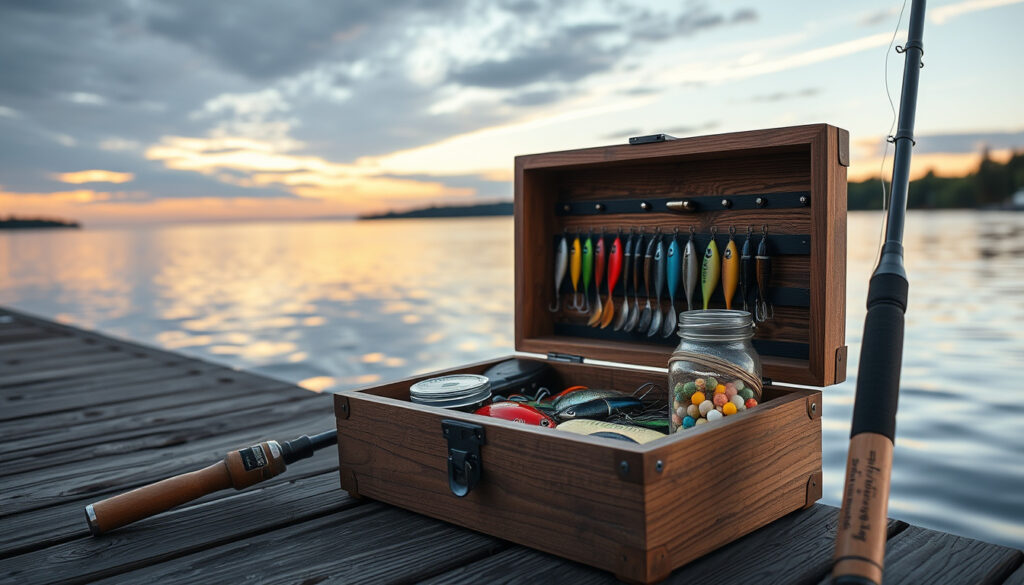
Fishing Tackle and Bait: Bait vs Lures, Smells & More
Anyone who has stood on a riverbank with a simple hook and worm knows fishing isn’t just about luck. Getting started can feel overwhelming, but the New York State Department of Environmental Conservation says beginners only need a basic rod, line, hooks, and some bait or lures.
Bluegill line weight: 4–8 lb test (New York State DEC) ·
Bass line weight: 8–12 lb test (New York State DEC) ·
Line test range: 4–30 lb (Gonex)
Quick snapshot
- Fish can detect movement above the water (New York State DEC)
- Strong unnatural scents like sunscreen repel fish (FishingBooker)
- Dawn and dusk are peak feeding times (New York State DEC)
- Which lure colour works best in all conditions (FishingBooker)
- Optimal bait scent concentration for different species (Gonex)
- No major regulatory changes or events currently flagged for fishing tackle and bait
- Continued shift from natural bait to artificial lures among recreational anglers (Karl’s Fishing 101)
| Element | Description |
|---|---|
| Fishing Bait | Natural or artificial substance used to attract fish |
| Fishing Tackle | Equipment including rods, reels, lines, hooks, sinkers, and accessories |
| Common Bait Types | Worms, minnows, artificial lures (crankbaits, spinners, soft plastics) |
| Key Scent Attractants | Anise, garlic, fish oils |
| Key Scent Repellents | Sunscreen, insect repellent, fuel |
What is fishing bait and tackle?
What are common types of fishing bait?
- Live bait: worms, nightcrawlers, minnows. The New York State DEC says minnows used for bait are usually 1 to 3 inches long (New York State DEC).
- Artificial bait: soft plastics, spinners, crankbaits. Karl’s Fishing 101 notes that terminal tackle includes hooks, swivels, weights, and bobbers tied directly to the line (Karl’s Fishing 101).
What are essential tackle items?
- Rod and reel: spin-casting is easiest for beginners; bait-casting and fly rods are harder (New York State DEC).
- Line: monofilament is the most common type – inexpensive, easy to cast, and fairly durable (Go Fish BC; FishingBooker).
- Terminal tackle: hooks, sinkers, swivels, bobbers. Swivels help prevent line twist (FishingBooker).
Is it better to fish with bait or lures?
Do you catch more fish with bait or lures?
Bait generally catches more fish for beginners because scent and movement do the work. A bobber‑and‑bait rig is effective – watch for the bobber going under as a bite signal (New York State DEC). Lures require more skill to imitate prey, but they can be more effective for specific species and conditions.
Is bait easier to catch fish on than lures?
Yes. Bait is easier because the fish are attracted by smell and natural movement. With a bottom rig, keep the line fairly tight and watch the rod tip (New York State DEC). Lures demand constant active retrieval and judgment of depth, speed, and colour.
Bait wins on accessibility for beginners, but lures offer a higher ceiling for targeting trophy fish. The choice depends on how much time you’re willing to invest in learning retrieval patterns.
Three aspects, one pattern: bait is simpler and more forgiving, while lures reward practiced technique.
| Aspect | Bait Fishing | Lure Fishing |
|---|---|---|
| Ease of use | Very easy – cast and wait | Moderate – requires active retrieval |
| Catch rate for beginners | Higher (scent attracts fish) | Lower until skill develops |
| Cost | Low (worms, hooks, sinkers) | Moderate to high (lures, gear variety) |
| Species targeting | Good for panfish, catfish, carp | Better for bass, trout, pike |
The implication: beginners will likely see more action with a simple worm‑and‑bobber setup, but anglers who stick with it often move to lures for specific species and greater challenge.
What smells do fish hate?
Which smell attracts fish?
- Repellents: fish are strongly repelled by unnatural scents like sunscreen, insect repellent, and gasoline (FishingBooker).
- Attractants: anise, garlic, and fish oils are commonly used to enhance bait appeal (Gonex).
A beginner who slathers on sunscreen before casting may be unknowingly driving fish away. Keeping hands clean and using scent‑free bug repellent can make a real difference.
Can fish see you on the bank?
How does fish vision affect fishing?
Fish can see above the surface due to light refraction, especially in clear water. The New York State DEC notes that movement and silhouette are key triggers (New York State DEC). Staying low, wearing neutral colours, and minimising movement improves stealth.
When’s the worst time to go fishing?
How does temperature affect fishing?
- Midday in summer with high sun and heat is often worst because fish become lethargic and seek deeper, cooler water (FishingBooker).
- Feeding peaks occur at dawn and dusk when light levels change and temperatures are moderate (New York State DEC).
Plan your trips around dawn or dusk. If you must fish midday, target shaded areas or deeper water where fish retreat.
Upsides
- Fishing with bait is cheap and easy for beginners
- Monofilament line is inexpensive and durable (FishingBooker)
- Spin‑casting reels require little practice (New York State DEC)
Downsides
- Monofilament stretches, reducing bite sensitivity (FishingBooker)
- Bait can be messy to handle and store
- Lures require more investment and learning time
What we know and what remains unclear
Confirmed facts
- Fish can detect movement above the water.
- Strong unnatural scents repel fish.
- Dawn and dusk are peak feeding times.
What’s unclear
- Which specific lure colour is best in all conditions.
- Optimal bait scent concentration for different species.
- Whether fiberglass or carbon rods are better for beginners – FishingBooker rates this as medium confidence (FishingBooker).
“For a beginner, a bobber with a worm under it will catch bluegill every time. You don’t need fancy lures to get started.”
— Reddit r/FishingForBeginners contributor
“In our shop, worms are still the biggest seller. But the younger crowd is picking up more spinners and soft plastics – they see YouTubers catching big bass on them.”
— Irish Bait & Tackle shop owner
For the beginner in the United States or Ireland, the choice between bait and lures comes down to time and patience. Bait will get you catching fish fastest, while lures offer a rewarding challenge. Whichever path you take, start with a spinning outfit, 8‑lb monofilament line, and a handful of hooks and sinkers. For the angler on a budget, the implication is clear: invest in live worms and a simple bobber rig, or accept that lures demand practice before they pay off.
Related reading: Things to Do in Wicklow · Best Home Exercises: Bodyweight Workouts and Trending Methods
När du väljer bete eller tackel kan det vara bra att konvertera pund till kilogram för att matcha rätt viktklass på ditt redskap.
Frequently asked questions
What is the most popular fishing bait for freshwater fishing?
Worms and nightcrawlers are the most versatile and widely used live bait for freshwater species like bluegill, perch, and catfish (New York State DEC).
Do I need a fishing license to use tackle and bait?
Yes, most jurisdictions require a freshwater fishing licence. Check your local regulations before heading out (Go Fish BC).
What tackle do I need as a beginner?
Spin‑casting rod and reel, 4–8 lb monofilament line, size 6–10 hooks, split shot sinkers, and a few bobbers (Karl’s Fishing 101).
How do I store fishing bait properly?
Live worms: keep in a cool, dark container with damp bedding. Artificial bait: store in sealed pouches away from direct sunlight (Gonex).
Can I use the same bait for saltwater fishing?
Some live baits work in both, but saltwater species often prefer shrimp, squid, or cut bait. Tackle must be corrosion‑resistant (FishingBooker).
How do I choose the right fishing rod for my bait?
A 6–7 foot medium‑power rod suits most bait fishing. Light power for panfish, heavier for bass or catfish (FishingBooker).
What is the best way to dispose of unwanted live bait?
Never release live bait into the water – it can introduce invasive species. Dispose in the trash or give to another angler (New York State DEC).
More related posts
 Dunnes Shannon Opening Hours 2025 | Pay & Closures
 Things to Do in Carlingford: Attractions for All Ages
 Man Utd vs Liverpool – Preview, Predictions and Team News
 How to Wash a Wool Sweater: Machine, Hand, and Unshrinking Tips
 What Is a Content Pillar? Definition and Examples
 Live Sports on TV Today: Full Schedule & Channels (2025)
 Peking Duck Near Me Dublin: Prices, Portions & Top Spots
 Gold Price Thailand Today: Latest Bar & Ornament Rates
