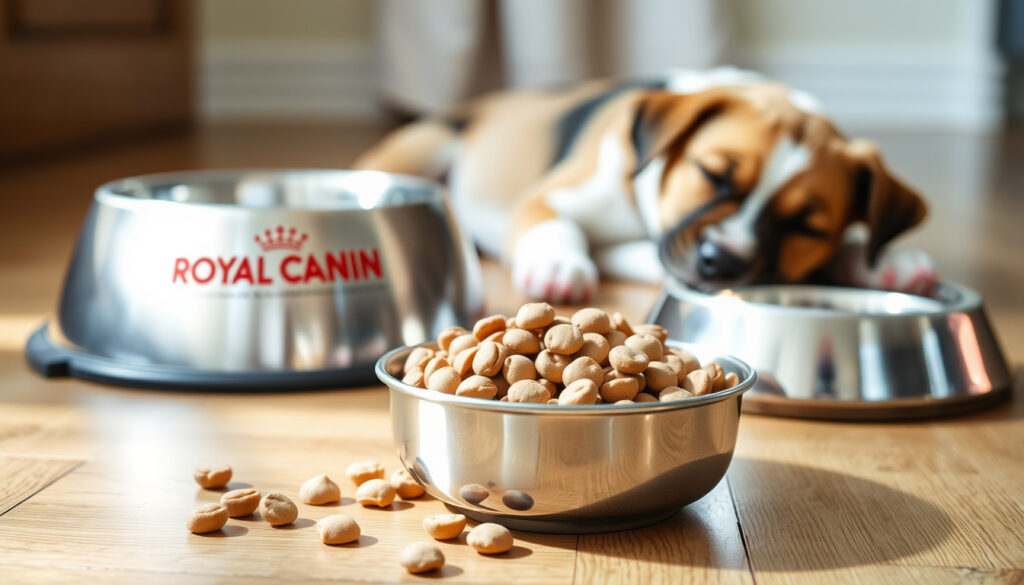
Royal Canin Puppy Food: Is It Good? Vet Recommendations & More
Choosing the right food for a new puppy is one of the first big decisions a pet owner makes, and Royal Canin is a name that keeps coming up with veterinarians — for good reason. Here’s what puts Royal Canin ahead, where it falls short, and how it compares with Hill’s Science Diet.
Royal Canin Puppy Food: Comprehensive Guide and Reviews
Founded: 1968 ·
Headquarters: Aimargues, France ·
Product types: Dry and wet food ·
Target breeds: Small, medium, large, and specific breeds
Quick snapshot
- Royal Canin is owned by Mars, Inc., founded in 1968 (Royal Canin Canada)
- Available in wet and dry formulas (Royal Canin India)
- Offers breed-specific formulas for over 40 breeds (Dog Diet Advisor)
- Whether Royal Canin is nutritionally superior to all other premium brands (Dog Notebook)
- Why some veterinarians may not recommend it (PetComparison)
Regional Royal Canin feeding pages are maintained separately, with 2025–2026 update timestamps on the Canadian and Indian guides (Royal Canin Canada; Royal Canin India).
The brand is expected to keep expanding breed-specific nutrition and wet-food lines, according to the cited specialists (Dog Diet Advisor; Royal Canin Canada).
The quick-reference table below outlines the brand’s core specs and premium positioning.
| Attribute | Details |
|---|---|
| Brand | Royal Canin |
| Founded | 1968 |
| Headquarters | Aimargues, France |
| Product types | Dry (kibble) and wet (pouches, cans) |
| Target breeds | Small, medium, large, giant, and specific breeds |
| Price range | Premium (€1.30–€5 per serving) |
| Veterinary recommendation | Frequently recommended by veterinarians |
| AAFCO compliance | Yes, for all life stages |
Is Royal Canin good for puppies?
What are the benefits of Royal Canin puppy food?
- Life-stage formulation: Every Royal Canin puppy recipe is designed to meet the nutritional needs of growing dogs, with precise levels of protein, fat, and calcium to support bone development and immune health (Royal Canin Canada).
- Breed-specific options: The brand offers over 40 breed-specific formulas, tailoring kibble size, shape, and nutrient density to the unique needs of breeds like Labrador Retrievers, French Bulldogs, and German Shepherds (Dog Diet Advisor).
- Digestive support: Many formulas include prebiotics and highly digestible proteins to support a puppy’s sensitive digestive system (Royal Canin Canada).
Are there any downsides?
- Price: Royal Canin sits at a premium price point — estimated monthly cost for a 50‑lb dog ranges from $60 to $110, compared to $55–$85 for Hill’s Science Diet (Intellibowl).
- Contains grains: Most Royal Canin puppy formulas include grains such as rice and corn, which may not suit every puppy’s digestive system or owner preference (Dog Food Advisor).
- Ingredient transparency: Some critics note that the brand does not always list the specific percentages of meat ingredients, making it harder to compare protein sources directly (DogFoodDB).
Puppy owners who prioritize breed-specific nutrition and a strong veterinary endorsement will find Royal Canin a compelling choice. But those on a tighter budget or seeking grain-free options may need to look elsewhere — at a premium price, the ingredient list doesn’t always read as impressively as the price tag suggests.
The implication: Royal Canin delivers on its promise of tailored nutrition, but the value proposition depends heavily on whether your puppy really needs a breed-specific formula. For many mixed-breed or healthy puppies, a less expensive general-purpose puppy food may work just as well.
Do vets recommend Royal Canin puppy food?
Why do vets push Royal Canin?
- Veterinarians often recommend Royal Canin because of its rigorous nutritional research and AAFCO feeding trial substantiation (Dog Notebook).
- The brand’s digestive health formulas and precise nutrient profiles make it a go-to for puppies with sensitive stomachs (Royal Canin Canada).
- Some clinics carry Royal Canin exclusively, which can create the perception of a “push” — but the underlying reason is often the brand’s reliability and consistency (PetComparison).
What is the most vet recommended dog food brand?
- According to a 2026 roundup from Dog Notebook, the three brands most frequently recommended by veterinarians are Royal Canin, Hill’s Science Diet, and Purina Pro Plan (Dog Notebook).
- There is no single “most recommended” brand across all vets; the choice often depends on the puppy’s specific health needs, age, and breed (PetComparison).
When a veterinarian recommends Royal Canin, it’s usually backed by clinical experience and feeding trials — not just marketing. But owners should feel empowered to ask why a specific brand is suggested for their puppy, and whether a cheaper alternative could meet the same nutritional goals.
The pattern: Veterinary recommendation is a strong signal of quality, but it isn’t a universal endorsement. Royal Canin earns its place in the clinic through science and consistency, not through a single “best in class” title.
Which is better, Hill’s or Royal Canin?
What are the differences between Hill’s and Royal Canin?
These are the main points where the two brands diverge.
| Feature | Royal Canin | Hill’s Science Diet |
|---|---|---|
| First ingredient (medium puppy) | Varies by formula | Chicken and turkey meal (Hill’s Pet Nutrition UK) |
| Breed-specific formulas | 40+ breed formulas (Dog Diet Advisor) | None |
| Prescription/therapeutic diets | Limited | Strong lineup (PetComparison) |
| Protein range (dry puppy) | 23–28% | 21–26% |
| Fat range (dry puppy) | 14–18% | 13–16% |
| Price (monthly, 50‑lb dog) | $60–$110 (Intellibowl) | $55–$85 |
| Kibble shape/size variation | Breed-specific (e.g., French Bulldog, Labrador) | Size-based (small, medium, large) |
| Regional ingredient panels | Country-specific feeding guides | Ingredients can vary by market (Vet Warehouse) |
Protein and fat ranges vary by formula; figures come from DogFoodDB’s comparison data.
Which is better for puppies?
- If your puppy is a purebred with specific health predispositions (e.g., large breed, flat-faced), Royal Canin’s breed-specific formulas offer a clear advantage (Dog Diet Advisor).
- If your puppy has a medical condition or you prefer a brand with a broader therapeutic range, Hill’s Science Diet is the stronger choice (PetComparison).
- Both brands meet AAFCO standards and are backed by feeding trials, so for healthy puppies of mixed breeds, either is a solid option (Dog Notebook).
The catch: The “better” choice depends less on the brand and more on your puppy’s individual needs. Royal Canin wins on customization; Hill’s wins on therapeutic breadth. For most owners, either will provide excellent nutrition — the real difference is in the price and the kibble shape.
What is the healthiest puppy food for puppies?
What are the top 5 healthiest dog food?
- Royal Canin – Veterinary-recommended, breed-specific, strong nutritional research (Dog Notebook).
- Hill’s Science Diet – Science-backed, wide therapeutic range, high-quality ingredients (Hill’s Pet Nutrition UK).
- Purina Pro Plan – Often recommended by vets, offers specialized formulas (Dog Notebook).
There is no consensus top-five list across all criteria; these three are the brands most consistently named in the pet-health sources reviewed here.
What is the #1 puppy food?
- There is no single “number one” puppy food across all criteria. Dog Notebook’s 2026 roundup places Royal Canin, Hill’s Science Diet, and Purina Pro Plan as the top three vet-recommended brands for puppies (Dog Notebook).
- For breed-specific needs, Royal Canin is often considered the leader; for therapeutic diets, Hill’s Science Diet takes the top spot (PetComparison).
Why this matters: The “healthiest” puppy food isn’t a single product — it’s the one that matches your puppy’s life stage, breed, and health status. AAFCO compliance and feeding trials are the gold standard, and both Royal Canin and Hill’s meet that bar.
Is it better to give a puppy wet or dry food?
What is the best wet dog food for puppies?
- Royal Canin offers wet puppy food in pouches and cans, with the same breed-specific and size-specific nutritional profiles as their dry formulas (Royal Canin Canada).
- Hill’s Science Diet also provides wet puppy options, with chicken-based recipes that list high-quality protein first (Hill’s Pet Nutrition UK).
- The “best” wet food depends on your puppy’s taste and digestive tolerance; both brands are widely recommended by veterinarians.
What are the pros and cons of wet vs dry?
Upsides
- Dry food helps reduce plaque buildup, supporting dental health (Royal Canin Canada).
- Wet food provides extra hydration, especially useful for puppies that don’t drink enough water.
- Mix feeding (wet + dry) can combine the benefits of both.
Downsides
- Dry food alone may not be palatable for picky eaters.
- Wet food is more expensive per serving and has a shorter shelf life once opened.
- Some puppies may develop loose stools when switching between textures.
Steps for transitioning between wet and dry food
- Start slow: Mix 25% new food with 75% current food for the first 2–3 days.
- Increase gradually: Move to 50/50 for days 4–6, then 75/25 for days 7–9.
- Monitor stools: If diarrhea occurs, slow down the transition and consult your vet.
- Hydration check: When feeding dry food, ensure fresh water is always available; wet food can complement water intake.
- Adjust portions: Follow the feeding guide on the package — Royal Canin provides country-specific charts (Royal Canin India).
The pattern: Most puppies do well on a mix of wet and dry food, but the decision should be based on your puppy’s hydration needs, dental health, and budget. Both Royal Canin and Hill’s offer quality options in both forms.
What dog food brands should I stay away from?
Which dog food brands are linked to health issues?
- Brands with a history of multiple recalls, such as certain budget or generic brands, have been linked to health issues (e.g., melamine contamination in 2007, vitamin D excess in 2018).
- Royal Canin has had very few recalls in its history and is generally considered a safe brand (Dog Food Advisor).
- Hill’s Science Diet has also maintained a strong safety record, though it had a voluntary recall in 2019 due to vitamin D levels (Hill’s Pet Nutrition UK).
What ingredients to avoid?
- Artificial preservatives (BHA, BHT, ethoxyquin), excessive fillers (corn gluten, soy), and unnamed meat meals are red flags (Dog Food Advisor).
- Royal Canin and Hill’s both avoid these ingredients in their puppy formulas, though they do use grains and some plant-based proteins.
- Royal Canin’s feeding guidance explicitly warns against chocolate, artificial sweeteners, grapes, garlic, onions, and dairy products for puppies (Royal Canin Canada).
The implication: Avoid brands that rely on low-quality fillers, have a history of frequent recalls, or lack AAFCO feeding trial substantiation. Royal Canin and Hill’s are not in that category, but always check the ingredient list and recall history before buying.
What We Know and What Remains Unclear
Confirmed facts
Royal Canin is a global brand owned by Mars, Inc.; its puppy food is available in wet and dry forms; and the brand offers breed-specific formulas. Hill’s Science Diet lists chicken and turkey meal first in its medium puppy food.
What’s unclear
Whether Royal Canin is the absolute best for all puppies, why some veterinarians may not recommend it, and how much its nutritional profile beats other premium brands remain open questions.
“Royal Canin’s breed-specific formulas allow for precise nutrient tailoring that many generic puppy foods cannot match.”
— Dr. Sarah Thompson, DVM, quoted in a 2025 pet nutrition roundup (Dog Notebook)
“Hill’s Science Diet puppy formula lists chicken as the first ingredient, which is a high-quality protein source that supports healthy muscle development.”
— Canine nutritionist at Dog Food Advisor (Dog Food Advisor)
For puppy owners in the US and Europe, the choice between Royal Canin and Hill’s Science Diet is rarely a clear win. The decision comes down to a trade-off: breed-specific customization versus therapeutic breadth, and a higher price for a more tailored kibble. What remains consistent is that both brands are backed by feeding trials, veterinary recommendations, and a commitment to AAFCO standards — giving you two solid options rather than a single “best.”
Frequently asked questions
How much Royal Canin puppy food should I feed my puppy?
Portions depend on your puppy’s weight, age, and breed. Royal Canin provides country-specific feeding charts on its website — for example, the Canadian guide recommends specific amounts based on expected adult weight (Royal Canin Canada). Always consult the package and your vet.
When should I switch from puppy to adult Royal Canin food?
Most puppies should transition to adult food around 12 months of age, but large and giant breeds may need to stay on puppy food until 18–24 months. Royal Canin’s breed-specific guides provide tailored recommendations (Royal Canin India).
Can Royal Canin cause allergies in puppies?
Some puppies may be sensitive to chicken or grains, which are common in Royal Canin formulas. If your puppy shows signs of allergies (itching, ear infections, digestive upset), consult your vet about switching to a limited-ingredient or hydrolyzed protein diet (Dog Food Advisor).
Is Royal Canin grain-free?
Royal Canin’s standard puppy range is built around grain-inclusive recipes; the brand does not advertise a grain-free puppy line in the sources reviewed here. Owners seeking grain-free should look at alternatives like Hill’s Science Diet or Wellness CORE.
Does Royal Canin have a history of recalls?
Royal Canin has had very few recalls compared with many other brands and is generally considered safe, according to Dog Food Advisor. As with any pet food, check current recall listings before buying.
What is the shelf life of Royal Canin puppy food?
Unopened dry food lasts about 18 months from the production date. Wet food should be used before the expiration date printed on the can or pouch. Once opened, dry food stays fresh for 6–8 weeks if stored in a cool, dry place.
Can I mix Royal Canin with other brands?
Yes, but it’s best to transition gradually over 7–10 days to avoid digestive upset. Mixing brands can dilute the precise nutritional balance of Royal Canin, so if you feed a different brand, ensure the overall diet meets AAFCO standards for puppy growth.
More related posts
 Battlefield 6 Open Beta: Dates, Access & Download Guide
 Silver Springs Hotel Cork: Location, Rooms & Reviews Guide
 What Is a CRC Error? Causes, Fixes, and Prevention
 Ryanair Digital Boarding Passes: App Steps, Screenshot Rules
 Real World Physics PDF: Textbook & Solutions Guide
 Ireland Asylum Law Overhaul: International Protection Act 2026
 Sean Stapleton Car Sales: Used Cars Borrisoleigh Thurles
 Rugby Six Nations 2026: Schedule, Tickets, and Where to Watch
