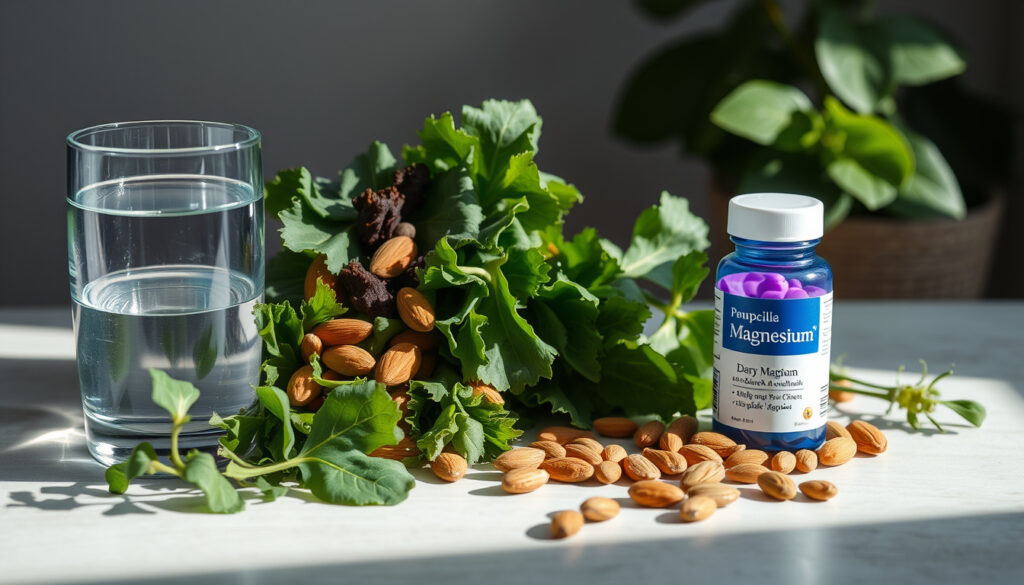
Magnesium Benefits for Women: Signs, Types & Daily Use
Anyone who’s ever woken up with a muscle cramp or felt unusually irritable before their period already knows something’s off—but the missing link might be a mineral most of us don’t get enough of. In fact, roughly half of US adults don’t meet their daily magnesium needs, and women face unique demands from hormonal cycles, pregnancy, and menopause. This guide walks through the signs of deficiency, the best types to take, and how to use magnesium safely for your health goals.
Daily magnesium requirement for women 31+: 320 mg ·
Percentage of US adults not meeting magnesium intake: ~50% ·
Magnesium absorption rate of magnesium glycinate: ~80% ·
Amount of magnesium in 1 oz dark chocolate (70-85% cocoa): 64 mg
Quick snapshot
- Eases PMS and menstrual cramps (NIH Office of Dietary Supplements)
- Supports progesterone balance (HealthCentral)
- May reduce menopause symptoms (NIH ODS)
- Essential for calcium absorption (NIH ODS)
- Reduces muscle cramps and spasms (Nature Made)
- Lowers osteoporosis risk (NIH ODS)
- Promotes relaxation and deeper sleep (Nature Made)
- Helps regulate cortisol (HealthCentral)
- May decrease anxiety and depression (NIH ODS)
- Improves insulin sensitivity (NIH ODS)
- Helps manage blood sugar (NIH ODS)
- Supports healthy blood pressure (NHS)
Four data points sum up why magnesium matters for women—and why so many fall short.
| Category | Value |
|---|---|
| RDA for women 19-30 | 310 mg/day |
| RDA for women 31+ | 320 mg/day |
| Upper tolerable limit (supplements) | 350 mg/day |
| Common deficiency rate in US women | ~50% |
Why should females take magnesium?
Hormonal balance and PMS relief
Magnesium is involved in more than 300 enzymatic reactions, including hormone regulation. The NIH Office of Dietary Supplements (government health agency) reports that supplementation may modestly improve PMS symptoms in some studies, though results across trials are mixed. Magnesium helps relax smooth muscles, which can ease menstrual cramps—a common complaint among women of reproductive age.
The effect isn’t dramatic for everyone. Women with severe PMS may need to combine magnesium with other nutrients or lifestyle changes, not rely on it alone.
Women who take proton pump inhibitors (PPIs) for acid reflux should be aware that these drugs reduce magnesium absorption over time, increasing the risk of deficiency.
Sleep and stress management
Magnesium’s role in regulating the nervous system makes it a natural sleep aid. By binding to GABA receptors, it promotes calmness and reduces cortisol levels. HealthCentral (consumer health resource) notes that women commonly take magnesium for sleep and stress, but warn it’s not a substitute for medical evaluation. Improved sleep quality has been observed within days of starting supplementation, especially in those with low baseline intake.
Bone health and osteoporosis prevention
A substantial portion of the body’s magnesium is stored in bone. The NIH ODS states that low magnesium intake has been associated with lower bone mineral density in observational studies, though correlation doesn’t prove causation. For women—who face higher osteoporosis risk after menopause—adequate magnesium supports calcium absorption and bone density maintenance.
The pattern: magnesium works best as part of a broader nutrient network. Pair it with vitamin D and calcium for bone health, and with B6 for hormone support.
What are the signs your body needs magnesium?
Early deficiency symptoms
According to the NIH ODS, early signs include loss of appetite, nausea, fatigue, and weakness. Many women dismiss these as everyday stress, but persistent low intake can worsen. The UK NHS (national health service) adds that most people can meet magnesium needs through diet, yet deficiency risk rises with certain medications and conditions.
Severe deficiency indicators
More advanced deficiency can lead to numbness, tingling, muscle cramps, seizures, and abnormal heart rhythms. The NIH warns that coronary spasms and personality changes may occur in severe cases. Women with type 2 diabetes or gastrointestinal diseases are at higher risk, per NIH fact sheets.
Common misdiagnoses
Magnesium deficiency often mimics anxiety, fibromyalgia, or chronic fatigue. WebMD (medical reference) notes that blood tests for magnesium can be misleading because only a tiny fraction circulates in serum—most is stored in cells and bone. Women should ask for a full workup if symptoms persist.
What happens when you start taking magnesium every day?
Short-term effects (first week)
Many women report better sleep and reduced muscle tension within days. The calming effect comes from magnesium’s action on the nervous system. Nature Made (supplement brand) cites anecdotal improvements in relaxation and stress. However, if you start with a high dose of citrate, loose stools can occur quickly.
Long-term benefits (month+)
Consistent daily intake supports blood pressure regulation, blood sugar control, and mood stability. The NIH ODS notes that long-term adequate intake is linked to lower risk of hypertension and type 2 diabetes. Women with PCOS may see improved insulin sensitivity over several weeks.
Possible digestive adjustments
Some women experience loose stools, especially with magnesium citrate. Switching to glycinate often resolves this. Healthline (health publisher) recommends starting with a low dose and increasing gradually to avoid GI upset.
The trade-off: you get benefits faster with citrate but may need to switch forms for tolerance. Consistency beats timing.
Is it better to take magnesium in the morning or night?
Benefits of nighttime supplementation
Taking magnesium at night can improve sleep quality because of its calming effects on the GABA system. Many women find it helps them fall asleep faster and reduces night waking. Sleep Foundation (sleep research organization) supports nighttime use for insomnia.
Morning vs. evening absorption
Absorption isn’t significantly affected by time of day, but morning intake may boost energy metabolism for some women. The key is consistency—taking it at the same time daily helps maintain stable levels. The NHS advises following label directions, regardless of time.
Adjusting timing to individual needs
If magnesium disturbs your sleep (rare), take it earlier. If it relaxes you, nighttime is ideal. Splitting a dose—half morning, half evening—can reduce GI side effects while keeping blood levels steady.
Why this matters: don’t overthink the clock. The biggest mistake is skipping it entirely. Pick a time you’ll remember and stick with it.
What types of magnesium are best for women?
Magnesium glycinate for sleep and anxiety
Glycinate is highly absorbable and gentle on the stomach, making it a top choice for women with sensitive digestion. NIH ODS lists it among common forms with good tolerability. It’s often recommended for anxiety and insomnia because glycine itself has calming properties.
Magnesium citrate for digestion
Citrate is well-absorbed but can cause a laxative effect, especially at higher doses. It’s useful for constipation relief. Healthline (health publisher) warns that women prone to loose stools should start with a low dose or choose glycinate instead.
Magnesium malate for energy
Malate is bound to malic acid, which is involved in energy production. It’s popular among women with fibromyalgia or chronic fatigue. Verywell Health (health resource) notes that malate may improve energy without the laxative effect.
The catch: no single form is “best” for everyone. Your choice depends on your primary goal—sleep, digestion, or energy—and your stomach’s sensitivity.
Upsides
- Improves sleep quality and reduces insomnia (NIH ODS)
- Relieves PMS symptoms and menstrual cramps (NIH ODS)
- Supports bone density and osteoporosis prevention (NIH ODS)
Downsides
- GI upset — loose stools or diarrhea, especially with citrate (NIH ODS)
- Risk of toxicity at high supplemental doses (>350 mg/day) (NIH ODS)
- Interactions with PPIs, diuretics, and antibiotics (NHS)
Confirmed facts
- Magnesium supports muscle and nerve function (NIH ODS)
- Supplementation can improve sleep quality in women with insomnia (NIH ODS)
- Chronic use of PPIs reduces magnesium absorption (NIH ODS)
What’s unclear
- Optimal dosage for women with PCOS is not universally established (NIH ODS)
- Whether magnesium alone significantly aids weight loss remains debated (Healthline)
- Long-term safety of high-dose supplementation beyond RDA is not fully studied (NIH ODS)
“Magnesium deficiency is one of the most underdiagnosed nutritional problems in women. It’s often mistaken for anxiety, depression, or fibromyalgia.”
“Most women can get enough magnesium from a varied diet. However, those with GI conditions or who take PPIs may need to consider supplementation.”
— NIH Office of Dietary Supplements (federal health agency)
The research is clear: magnesium is not a cure-all, but for the roughly half of US women who don’t meet their daily intake, adding a targeted supplement—glycinate for sleep, citrate for digestion, malate for energy—can make a real difference. For women on proton pump inhibitors, skipping magnesium isn’t an option: the interaction depletes the mineral, raising risks of deficiency. For everyone else, the choice is pragmatic: prioritize magnesium-rich foods (spinach, pumpkin seeds, dark chocolate) or choose a supplement that matches your symptoms.
orahealth.com.au, taramd.com, hellowisp.com, ubiehealth.com, prevention.com
Frequently asked questions
Can magnesium help with PMS-related bloating?
Magnesium may reduce water retention and muscle tension, which can ease bloating. The NIH ODS notes mixed results across trials, but many women report relief.
How much magnesium should a woman take daily for sleep?
The RDA is 310–320 mg/day from all sources. For sleep, 200–400 mg of supplemental magnesium glycinate is common. Always start low and increase gradually.
Does magnesium interact with birth control pills?
Oral contraceptives may slightly increase magnesium loss in urine, but no major interaction has been established. Check with your doctor if you’re concerned.
What food sources of magnesium are best for women?
Dark chocolate (70-85% cocoa) provides 64 mg per ounce. Pumpkin seeds (168 mg per ounce), almonds (80 mg), spinach (157 mg per cooked cup), and black beans (120 mg per cup) are excellent sources.
Is magnesium safe during pregnancy?
Yes, within the RDA of 350–360 mg/day. Consult your OB-GYN before starting any new supplement during pregnancy.
Can magnesium cause heart palpitations if taken in excess?
High supplemental doses (>350 mg/day) can cause toxicity symptoms including irregular heartbeat. Stick to recommended limits unless directed by a clinician.
More related posts
 How to Wash a Wool Sweater: Machine, Hand, and Unshrinking Tips
 How Many Grade 2 in Irish Driving Test? Limits Explained
 Ryanair 40-Minute Rule Fine: What You Need to Know (€100 Penalty)
 Good Morning in French: Bonjour, Bonsoir & Greetings
 Dyson Airblade V Blade Hand Dryer: Complete Guide & Specs
 Ireland Social Welfare Payment Dates: Christmas Bonus 2025
 Inter Milan vs Bayern: Champions League H2H & 2025 Quarterfinal
