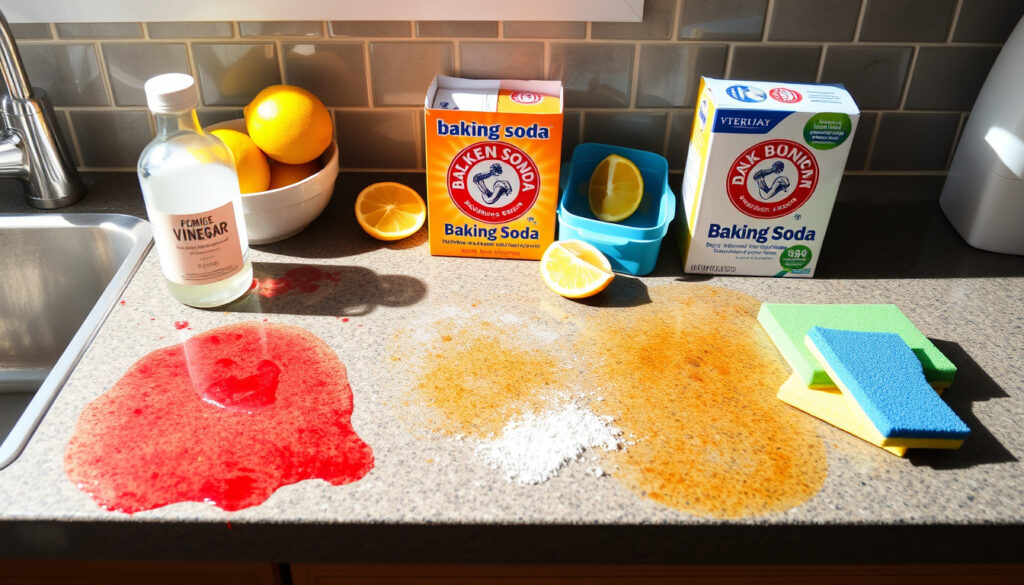
How to Clean Difficult Stains: Proven Tips & Remedies
You have probably faced it before: a coffee ring on your favorite white shirt, a grease smear that won’t budge, or a mystery stain that’s been sitting for days. Getting stubborn stains out feels like an art form, but a few proven tricks and the right products can shift the odds in your favor. This guide walks through what home remedies and commercial cleaners can genuinely do, where they can disappoint, and how to approach the toughest spots before they become permanent.
Common home remedies: Vinegar, bicarbonate · Expert tips shared: 7 from Dr Lava Tudo · Stains addressed: Blood, fats, coffee · Pre-treatment key: Cold water for proteins · Top products mentioned: Vanish, Omo
Quick snapshot
- Cold water works best for fresh protein stains (Whirlpool)
- Baking soda paste wins whitening test against vinegar, peroxide, and lemon juice (Apartment Therapy)
- Vinegar soak of 1 hour to overnight can brighten yellowed whites (Whirlpool)
- Precise stain removal percentages for each method remain unreported
- Long-term fabric weakening from repeated vinegar soaks needs more data
- Regional formula variations for commercial products aren’t well documented
- Appliance manufacturer guidelines on safe presoak durations released pre-2026
- Household whitening tests circulated online before major brand comparisons
- Expect more enzyme-based products targeting the stain removal market
- Consumers increasingly seek evidence-backed comparisons before buying
These specifications pull from multiple expert sources to give you actionable numbers for stain treatment.
| Key fact | Detail |
|---|---|
| Key pre-treatment | Cold water for proteins |
| Vinegar use | 5+ cups per load for effectiveness |
| Steam effective for | Hard surfaces like tiles |
| Avoid for blood | Hot water |
| Pre-treat soak time | 30 minutes for vinegar-detergent mix |
| Baking soda paste ratio | 1 tbsp baking soda : 1 tbsp water |
| Vinegar soak duration | 1 hour to overnight |
| Baking soda presoak | 1 hour |
| Tested whitening methods | 5 methods tested; baking soda performed best |
| Armpit stain paste | ½ cup baking soda, 1 tbsp salt, 1 tbsp hydrogen peroxide |
How to remove difficult stains from clothes?
Acting fast matters more than most people realize. The longer a stain sits, the more it bonds with fabric fibers, turning a simple wash into a stubborn problem. For fresh spots, cold water and a quick scrub can stop damage before it starts.
Household staples like vinegar and baking soda often outperform expectations when used correctly. According to Rinse laundry care guidance, a mixture of one tablespoon laundry detergent and one tablespoon vinegar applied for 30 minutes before washing lifts most common stains effectively.
Act quickly with cold water
- Rinse immediately under cold running water
- Blot, never rub — rubbing spreads the stain deeper
- For grease, sprinkle baking soda to absorb excess oil
Heat sets protein stains permanently, which is why Whirlpool appliance manufacturer guidance explicitly warns against hot water on blood, egg, or milk marks.
Pre-treat before washing
Pre-treatment gives cleaning agents time to break down stains before the wash cycle begins. For white fabrics, a baking soda paste of 1 tablespoon baking soda mixed with 1 tablespoon water applied for 1 hour spot-treats most discoloration effectively, according to Apartment Therapy home cleaning research.
The implication: pre-treatment works, but only if you let it sit long enough and avoid the dryer prematurely — heat from a dryer can lock in whatever the pre-treat loosened.
What is good for removing difficult stains?
Two categories compete in most stain-removal conversations: home remedies and commercial products. Each has strengths, but also real limitations that product marketing often glosses over.
Home remedies like vinegar
White vinegar performs best as an acidic pre-treat or rinse agent. Rinse laundry guidance notes that pouring half a cup of white vinegar into the fabric softener compartment during a wash cycle freshens white clothes and removes residue buildup.
A vinegar soak of distilled white vinegar mixed with hot water for 1 hour to overnight can brighten yellowed whites and tackle gum stains, as documented by Whirlpool appliance guidance. However, vinegar’s low pH weakens cotton, linen, rayon, and nylon fibers over time, according to Tide detergent manufacturer guidance.
Bicarbonate for odors
Baking soda neutralizes odors and acts as a mild abrasive, making it useful for both fresh stains and deodorizing loads. Adding half a cup of baking soda to the washing machine drum improves whiteness, per Apartment Therapy whitening research.
Baking soda’s high pH damages wool, cashmere, and silk, and fades colors even on white fabrics with repeated use. Always check garment care tags first.
What this means: vinegar and baking soda work well in rotation but not as daily replacements for enzyme-based detergents on delicate or heavily stained items.
How to remove very old stains?
Old stains have oxidized and bonded with fabric at a molecular level, making them harder to shift. The approach differs from fresh stains — soaking replaces scrubbing, and patience replaces speed.
Soak in cold water
For set-in stains, an overnight soak in cold water with a pre-soak agent softens the stain’s grip. Whirlpool stain removal guide recommends soaking white clothes in an enzyme detergent solution for hours before washing, then air drying to check results before using a dryer.
Scrape excess first
Before soaking, remove any solid residue carefully with a dull knife or spoon. PMags outdoor gear cleaning resource notes that scraping excess matter prevents re-depositing during the soak cycle.
The pattern: old stains require time, cold water, and enzyme agents. Rushing to the dryer after one wash cycle often seals the stain permanently.
What is the most powerful stain remover?
Several products and methods claim top spot, but comparative testing provides clearer answers than brand promises.
Top products review
In a whitening test comparing five methods, baking soda outperformed vinegar, hydrogen peroxide, dishwasher detergent, and lemon juice on a white pillowcase, per Apartment Therapy comparative test. Enzyme-based detergents or oxygen bleach are recommended as primary treatments for protein stains by Whirlpool stain guide.
Vanish and Omo
Commercial oxygen bleach products like Vanish and multi-enzyme detergents like Omo target specific stain categories. Their effectiveness varies by fabric type, stain age, and concentration used. Neither is universally superior — matching the product to the stain type matters more than brand alone.
Baking soda wins the at-home whitening comparison, but commercial enzyme products handle protein stains that household remedies cannot fully address.
The trade-off: home remedies cost less and work for maintenance loads, but commercial products with enzyme or oxygen bleach formulas outperform them on aged, embedded discoloration.
How to remove stains from white clothes?
White fabrics show every trace of stain and require a more deliberate approach than colored materials. The goal is whiteness restoration without fabric damage.
Practical tips
- Soak yellowed whites in a 1:1 vinegar and water solution for 1 hour
- For armpit stains, apply a paste of ½ cup baking soda, 1 tablespoon salt, and 1 tablespoon hydrogen peroxide
- Add half a cup of baking soda to your wash cycle with detergent for regular maintenance
- Never mix vinegar with hydrogen peroxide or bleach — dangerous chemical reactions can occur
According to Whirlpool appliance guidance, frequent vinegar use also damages washing machine rubber gaskets over time, so occasional use is safer than habitual application.
Efficient methods
For white outdoor gear, combining baking soda and vinegar in a sequential cycle (baking soda in the main wash, vinegar during the cold rinse) removes oils, salts, and odors from technical fabrics, as described by PMags outdoor cleaning guide. The key rule: never mix them together before adding to the cycle, as they neutralize each other like a volcano and lose cleaning power.
Why this matters: white clothes react differently to pH extremes compared to colored fabrics, making vinegar and baking soda more useful for whites — but only when applied at the right cycle stage and concentration.
Upsides
- Vinegar and baking soda are affordable and widely available
- Baking soda demonstrated superior whitening performance in comparative test
- Both agents effectively neutralize odors on white fabrics
- Pre-soak methods reduce need for harsh chlorine bleach
Downsides
- Vinegar requires 5+ cups per load to be effective but is mostly water
- Adding vinegar or baking soda with detergent alters pH and reduces cleaning performance
- Vinegar’s low pH weakens cotton, linen, rayon, and nylon over time
- Baking soda’s high pH damages delicate fabrics like wool and silk
- Frequent vinegar use damages washing machine rubber components
Don’t be tempted to take a shortcut and mix before the cold rinse cycle. See the volcano experiment above!
— PMags outdoor gear cleaning resource
Adding vinegar or baking soda to the wash along with your laundry detergent increases the risk of poorer cleaning performance.
— Tide laundry detergent brand guidance
For readers weighing home remedies against commercial products, the honest answer is neither wins outright. Baking soda and vinegar handle maintenance and mild discoloration effectively at low cost. Enzyme-based and oxygen bleach products perform better on aged protein stains and deep-set discoloration — but at a higher price and with their own fabric-care caveats.
Related reading: remover manchas difíceis de roupas brancas
Tough oil stains often set into fabrics quickly, but oil stain removal techniques using dish soap and WD-40 complement vinegar soaks and Omo treatments effectively.
Frequently asked questions
How to remove black stains from clothes?
Black stains often indicate mold or oxidation. Treat with a baking soda paste (1:1 with water), let sit 1 hour, then wash in cold water with enzyme detergent. Air dry and repeat if needed before using heat.
How to use bicarbonate for clothes stains?
Add half a cup of baking soda directly to the washing machine drum for regular loads, or apply as a paste directly to stains for 1 hour before washing. Avoid using the detergent dispenser to prevent clogging.
What is a homemade mixture for clothes stains?
A pre-treat paste of 1 tablespoon baking soda mixed with 1 tablespoon water works for spot treatment. For whitening soaks, a 1:1 solution of distilled white vinegar and hot water applied for 1 hour to overnight works on yellowed whites.
How to remove Mistolin stains?
Mistolin is a commercial cleaner. If residue remains, rinse thoroughly with cold water, apply a baking soda paste to any buildup, and wash without adding other cleaning agents to prevent chemical interactions.
How to remove stains from dyed clothes?
Avoid vinegar or baking soda on dyed fabrics — both can fade colors. Use enzyme-based detergents as pre-treats instead, and test any product on a hidden seam first.
Can steam remove all difficult stains?
Steam is effective for hard surfaces like tiles and upholstery but less reliable for embedded fabric stains. Steam loosens surface grime but does not replace pre-treatment and enzyme action for set-in clothing marks.
Is Vanish the best for old stains?
Vanish (oxygen bleach-based) performs well on aged stains, particularly organic ones, but no single product works universally. Matching the product type to the stain category — enzyme for proteins, oxygen bleach for oxidation — matters more than brand alone.
More related posts
 Latest Breakthroughs in Quantum Computing 2024: Key Advances
 How to Check Ireland Visa Decisions in India: Official Guide
 War of the Worlds: Novel vs 2005 Film Guide
 Ryanair Carry On Bag: Sizes, Rules & Fees (2025)
 System of a Down Tour 2026: Dates, Tickets, Europe & UK
 His & Hers Netflix: Mystery Thriller Series Explained
 All Her Fault Cast: Sarah Snook, Michael Peña & Full List
 Cast of 1923 (TV Series): Complete Guide to Actors and Characters
