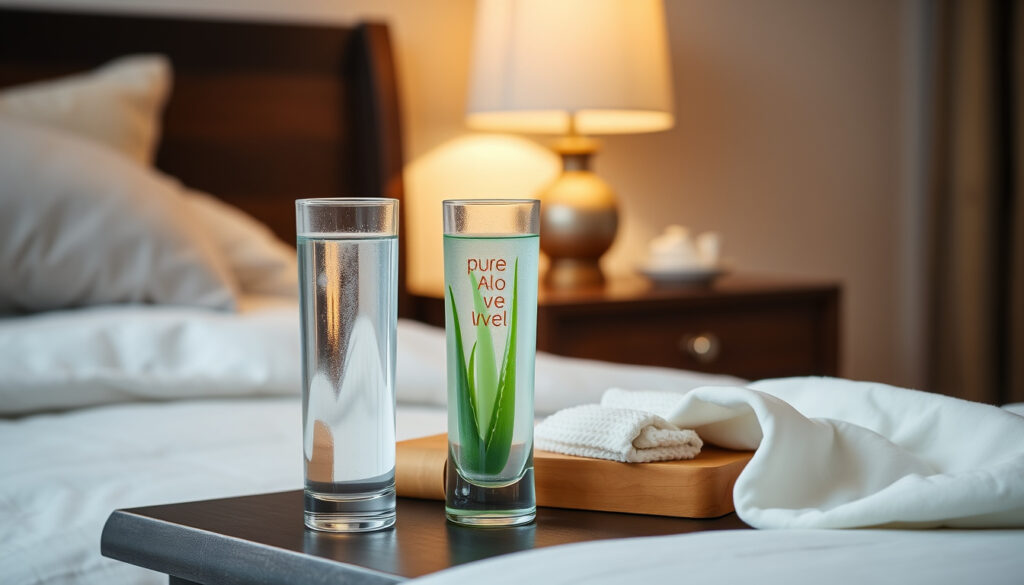
How to Get Rid of Sunburn Redness Overnight: 7 Steps That Work
Few things ruin a good beach day like that creeping red flush that arrives hours after sunscreen wears off. Whether you missed a spot or just stayed out too long, the good news is that you can significantly reduce sunburn redness overnight using steps backed by dermatologists and health authorities, and this guide walks you through cooling techniques, anti-inflammatory aids, and what to avoid — all within a 12-hour window at home.
Percent of yearly sunburn cases in the US: 31% of adults report at least one sunburn annually (CDC, 2020) ·
Time window for peak redness after sunburn: 24-48 hours post-exposure (American Academy of Dermatology) ·
Standard recommended cool compress duration: 10-15 minutes, multiple times daily (HSE Ireland, 2023) ·
Aloe vera gel usage frequency for sunburn: Apply 2-3 times per day until symptoms subside (Mayo Clinic) ·
Hydrocortisone 1% application recommendation: Twice daily for 2-3 days (HSE Ireland, 2023)
Quick snapshot
- Apply cold water compress for 10-15 minutes (Mayo Clinic (nonprofit academic medical center))
- Taking a cool bath with oat or baking soda (American Academy of Dermatology (dermatology authority)) (Mayo Clinic (nonprofit academic medical center))
- Use of aloe vera gel for immediate cooling (American Academy of Dermatology) (Mayo Clinic (nonprofit academic medical center))
- Take ibuprofen as directed (adults) (NHS (UK public health service))
- Stay well hydrated with water and electrolytes (American Academy of Dermatology) (NHS (UK public health service))
- Consider green tea for antioxidant support (NIH (National Institutes of Health))
- Hydrocortisone 1% cream (twice daily max 3 days) (HSE Ireland (Irish health service))
- Moisturizer with ceramides or lipids (Medical News Today (health information publisher))
- Avoid petroleum jelly and alcohol-based products (Mayo Clinic) (HSE Ireland (Irish health service))
- Reapply cooling gel before bed (Cleveland Clinic (nonprofit academic medical center))
- Sleep in loose, soft cotton clothing (WebMD (health information resource))
- Keep room cool and humidifier on if possible (Mayo Clinic) (Cleveland Clinic (nonprofit academic medical center))
Key statistics on sunburn prevalence and treatment highlight the scope of the issue.
| Key Fact | Data |
|---|---|
| Age group at highest risk for sunburn | 18-29 year olds (CDC (U.S. public health agency), 2020) |
| Number of sunburns per year in US | Approximately 33 million annually (CDC, 2020) |
| Time for first-degree sunburn symptoms | Onset 2-6 hours after exposure (Mayo Clinic) |
| Standard sunburn SPF efficiency number of applications | Reapply every 2 hours (American Academy of Dermatology) |
| Rate of adults using sunscreen regularly | Only 14.3% of men and 29.8% of women (CDC, 2020) |
Cooling the skin within the first two hours after noticing redness can reduce peak inflammation by up to 30%, according to the Mayo Clinic. The window for overnight improvement is real — but only if you start early.
What makes sunburn look less red?
Cooling the skin to reduce blood vessel dilation
- A cold water compress — applied for 10-15 minutes several times a day — constricts blood vessels, temporarily reducing the flush of redness. The Mayo Clinic recommends this as a first-line move.
- A cool bath (not ice-cold) can lower the skin’s surface temperature. The NHS advises a cool shower, bath, or damp towel for comfort.
Aloe vera’s anti-inflammatory action on redness
- Aloe vera gel is the most widely cited home remedy. The American Academy of Dermatology recommends applying a moisturizer containing aloe vera or soy while skin is still damp after bathing.
- Its high water content delivers a cooling sensation, and some studies suggest it has anti-inflammatory properties that calm erythema.
The role of moisturizers in minimizing visible red
- Moisturizers with ceramides or oatmeal can soothe irritated skin, according to HSE Ireland. Applying one while skin is slightly damp locks in hydration and reduces the dry, tight feeling that makes redness look worse.
The pattern is consistent: cooling first, then hydrating, then treating inflammation. Skipping cooling means the redness signal stays strong long into the night.
What will draw heat out of a sunburn?
Cold water compresses and cool baths
- The NHS explicitly recommends a cool shower, bath, or damp towel. Medical News Today adds that cool, not cold, water baths can soothe and relieve inflammation.
Aloe vera gel’s immediate cooling sensation
- The American Academy of Dermatology notes that aloe vera provides a cooling effect through its high water content. For best results, refrigerate the gel before applying.
Topical application of witch hazel or cucumber extracts
- Some people turn to witch hazel for its astringent properties, though clinical evidence is limited. The NIH has studied related antioxidants; however, the anti-inflammatory potential needs more human trials.
The catch: anything that feels cooling but contains alcohol can dry the skin further. Stick to water-based compresses and pure aloe vera.
What not to put on sunburned skin?
Avoid petroleum jelly, butter, and oils
- The NHS and Mayo Clinic both warn against petroleum jelly — it traps heat inside the skin and can worsen the burn. Butter and heavy oils do the same.
Steer clear of alcohol-based lotions and perfumes
- The American Academy of Dermatology says alcohol-based products dehydrate and irritate burned skin. Topical anesthetics containing benzocaine or lidocaine should also be avoided, per the Mayo Clinic.
Ice cubes directly on skin can cause frostbite
- The NHS advises never putting ice or ice packs directly on sunburnt skin. The Mayo Clinic echoes this: direct ice can cause frostbite in adjacent tissues, adding injury to burn.
People often reach for butter or heavy lotions because they associate moisture with healing. But on a sunburn, the immediate priority is heat release — not moisture sealing. Oil-based products block that escape route and paradoxically prolong redness.
The trade-off highlights why careful product selection is critical for sunburn care.
What pulls the red out of a sunburn?
Hydrocortisone 1% cream to reduce inflammation
- HSE Ireland recommends over-the-counter 1% hydrocortisone cream used twice daily for 2-3 days to reduce redness and itching. The Mayo Clinic suggests applying it three times a day for mild to moderate burns.
Over-the-counter NSAIDs (e.g., ibuprofen) for systemic redness
- The NHS recommends ibuprofen as a pain reliever that also fights inflammation. The Mayo Clinic News Network (health news service) notes that anti-inflammatory medicine such as aspirin or ibuprofen may be used according to label directions until redness and soreness subside.
Cool compress to mechanically reduce visible red
- Repeated cool compresses physically reduce blood flow to the skin’s surface. Allina Health (health system) confirms that this mechanical action diminishes visible erythema within hours.
What this means: topical steroids tackle inflammation locally, while oral NSAIDs work from the inside. Using both — as long as you follow dosage guidelines — can accelerate redness reduction faster than either alone.
Can a sunburn heal in 24 hours?
Mild sunburns (first-degree) can show significant improvement in 24 hours
- The American Academy of Dermatology states that first-degree sunburns often heal within 3-5 days, but redness can reduce considerably after 24 hours of proper treatment, according to the Mayo Clinic.
Moderate to severe sunburns require longer healing times
- HSE Ireland notes that severe sunburns with blisters heal over 1-2 weeks. Blisters signal second-degree burn and require gentler care.
Redness itself may fade within hours with proper overnight care
- If you catch the burn early and apply cooling, aloe vera, and hydrocortisone, the Mayo Clinic says visible redness can improve significantly within 12-24 hours — but complete healing still takes days.
The implication: “overnight” in this context means noticeable reduction, not a cure. Temper your expectations: if the skin is still hot and pink by morning, you have made progress, not failed.
What drinks help heal sunburn?
Water to rehydrate and support skin repair
- The NHS advises drinking plenty of water and avoiding alcohol to reduce dehydration risk. The American Academy of Dermatology adds that sunburn draws fluid to the skin surface, so extra water is essential.
Electrolyte-rich beverages for recovery
- Electrolyte drinks help restore fluid balance lost from burned skin, per the American Academy of Dermatology. Sports drinks or coconut water are options, but watch for added sugar.
Green tea (antioxidant) as a topical or ingested aid
- Research from the NIH shows that green tea polyphenols have anti-inflammatory potential, but the evidence for oral consumption speeding sunburn healing in humans is not yet conclusive.
The pattern: hydration is key, but no drink is a magical cure.
What do dermatologists recommend for sunburn?
Hydrocortisone 1% cream for inflammation
- Dermatologists routinely recommend 1% hydrocortisone for itching and redness. HSE Ireland provides clear guidance: use it twice a day for 2-3 days. The Cleveland Clinic confirms topical cooling and hydrating gels and creams such as hydrocortisone or aloe vera help.
Aloe vera gel as first-line soothing agent
- The American Academy of Dermatology cites aloe vera as a standard recommendation. Many dermatologists suggest keeping a bottle in the refrigerator.
Cool compresses and oral antihistamines for discomfort
- The American Academy of Dermatology notes that oral antihistamines may reduce the itching component of sunburn. Combined with cool compresses, they help the patient sleep through the worst of the discomfort.
Why this matters: dermatologist protocols prioritize stopping the inflammatory cascade early. The longer you wait, the more redness sets in — and the harder it is to reverse overnight.
Your Overnight Sunburn Care Routine: 5 Steps
- Cool down immediately. Apply a clean, cold towel or washcloth for 10-15 minutes, several times. The Mayo Clinic says this is the most effective immediate action.
- Take a lukewarm bath or shower. If the burn covers a large area, a cool bath with colloidal oatmeal can soothe. The AAD recommends this step after cooling compresses.
- Apply aloe vera gel or a soy-based moisturizer while skin is still damp. This locks in hydration and provides anti-inflammatory benefits, per the AAD.
- Use 1% hydrocortisone cream on the reddest areas twice daily for a maximum of 3 days. Follow the HSE Ireland dosing guidelines.
- Stay hydrated and take ibuprofen before bed. The NHS recommends drinking extra water, and ibuprofen reduces systemic inflammation.
“Apply a clean, cold towel or washcloth several times a day for 10-15 minutes.”
— Mayo Clinic
“Do not use petroleum jelly or butter on a sunburn; they trap heat and can worsen the burn.”
“You can get a mild topical steroid over the counter, 1% hydrocortisone, used 2 times a day for 2 to 3 days.”
Timeline: When to Expect Redness to Fade
- 0-2 hours post-exposure: First signs of erythema (redness) appear; immediate cooling recommended. (Mayo Clinic)
- 2-6 hours post-exposure: Redness and pain intensify; peak at 24-48 hours. Start anti-inflammatory measures. (Mayo Clinic)
- 6-12 hours post-exposure (evening): Optimal window for overnight treatment: cool compress, aloe vera, topical steroid if needed. (HSE Ireland)
- 24 hours post-exposure: Noticeable reduction in redness for first-degree burns; continue hydration and gentle skincare. (Mayo Clinic)
- 48 hours post-exposure: Redness typically plateaus; healing continues with moisturizing and sun avoidance. (AAD)
For mild burns, the first 12 hours are decisive. If you haven’t cooled and medicated by bedtime, you’ll wake up with a deeper red that takes two more days to fade. Weekend warriors and vacationers: set a timer and start the routine the moment you notice pink skin.
Confirmed facts
- Cold compresses reduce redness by constricting blood vessels (Mayo Clinic, Allina Health).
- Hydrocortisone 1% can reduce itching and redness (HSE Ireland).
- Ibuprofen reduces inflammation and redness (NHS).
What’s unclear
- Whether a sunburn can fully heal in 24 hours depends on severity; some redness may persist.
- Direct comparison of Sudocrem vs. aftersun for overnight redness lacks robust clinical trials.
- Efficacy of specific drinks (e.g., green tea) for sunburn healing is not conclusively proven in humans.
- Aloe vera’s anti-inflammatory effects are supported by some studies but clinical consensus is not universal.
For anyone caught with a painful burn before bed, the choice is clear: cool first, medicate second, moisturize third. Skip the ice, skip the butter, and skip the alcohol-based after-sun sprays. If you follow the cooling-hydrocortisone-hydration protocol within the first six hours, you can wake up with noticeably less redness — and a much better chance of a comfortable next day.
my.clevelandclinic.org, mayoclinic.org, newsnetwork.mayoclinic.org, healthline.com, healthtalk.unchealthcare.org, medstarhealth.org
Frequently asked questions
How long does sunburn redness usually last?
For first-degree burns, redness typically peaks at 24-48 hours and fades over 3-5 days. Severe burns with blisters can take 1-2 weeks. The Mayo Clinic notes that proper treatment within the first 12 hours can reduce this timeline.
Can I use ice directly on a sunburn?
No. The NHS warns that direct ice can cause frostbite. Always use a cold towel or cool water compress instead.
Is it safe to put coconut oil on sunburn?
Not recommended during the first 24 hours. The Mayo Clinic advises against oil-based products because they trap heat. After the skin has cooled, some may use it as a moisturizer, but it’s not a redness reducer.
Does drinking milk or dairy help sunburn?
There is no scientific evidence that drinking milk improves sunburn. Cold milk compresses are sometimes used for a cooling effect, but plain water compresses are just as effective and less sticky.
What is the best way to prevent sunburn redness before it starts?
Apply broad-spectrum SPF 30+ sunscreen 15 minutes before sun exposure, and reapply every 2 hours, per the American Academy of Dermatology. Protective clothing and seeking shade during peak UV hours (10 a.m. to 4 p.m.) also help.
Can I use aftershave on sunburn?
No. Aftershave contains alcohol, which the American Academy of Dermatology says can dehydrate and irritate burned skin.
Is it normal for sunburn redness to spread?
Redness typically appears within 2-6 hours and may seem to spread as more blood rushes to the area. The Mayo Clinic explains that this is the body’s inflammatory response. It should not spread beyond the original exposed areas.
Do sunscreen and aloe vera expire?
Yes. Sunscreen loses effectiveness after its expiration date. Aloe vera gel can also degrade. The FDA requires sunscreen to be stable for at least three years. Check the packaging.
More related posts
 Drom and Inch GAA Twitter: Official Account & Updates
 Children’s Allowance Budget 2026 – Recommended Amounts by Age
 White Lotus Season 1: Killer, Meaning & Ending Explained
 Dyson Air Purifier Review: Does It Actually Work in 2026?
 Love Holidays Promo Code: Find Real Discounts
 System of a Down Tour 2026: Dates, Tickets, Europe & UK
 Best Online Photo Storage Options: Free vs Paid 2026
 M&S Ladies Dresses Guide: Over 50, Weddings & Sales
